
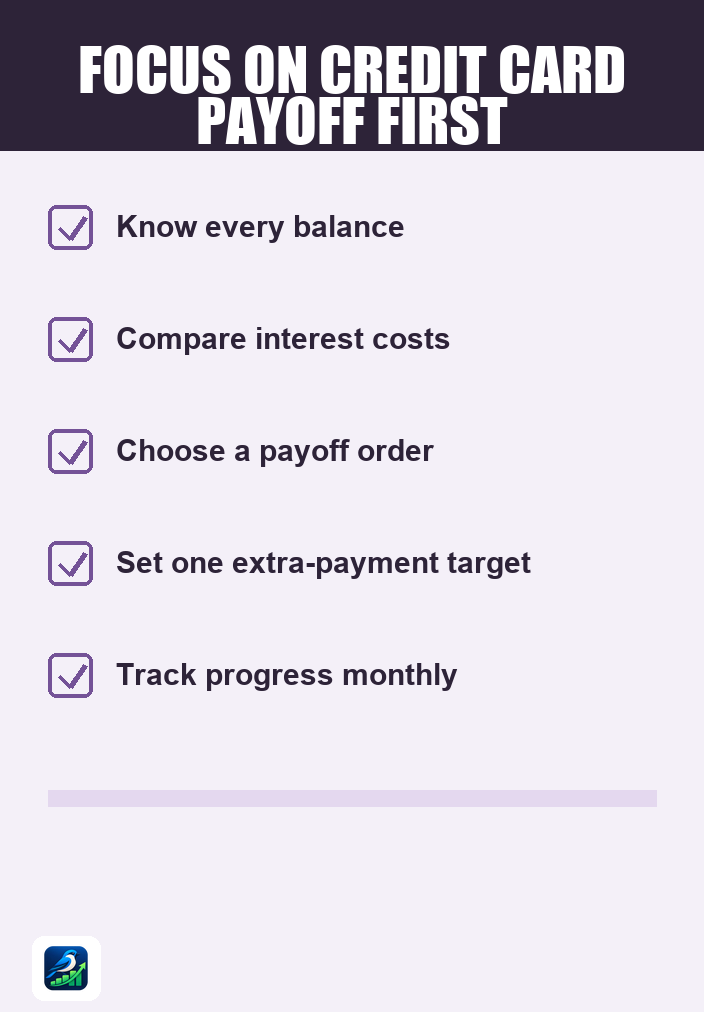
Understanding the Importance of Credit Card Payoff in Debt Management
Dealing with multiple debts can feel overwhelming, especially when credit card balances are part of the mix. Prioritizing credit card payoff is crucial due to the typically higher interest rates associated with these debts. In this article, we’ll explore why prioritizing credit card repayment can be beneficial, outline practical steps to take, and consider options for managing your overall debt situation.
Why Focus on Credit Card Debt First?
Credit card debt often comes with high interest rates that can make repayment challenging. Here are a few reasons why you might want to prioritize these debts:
- High Interest Rates: Credit cards usually have higher interest rates compared to other types of debt, such as personal loans or student loans. Paying them off sooner can save you money in the long run.
- Minimum Payments: Making only minimum payments can lead to a cycle of debt. The majority of your payment may go towards interest rather than the principal balance.
- Impact on Credit Score: High credit utilization, which occurs when your credit card balances are high relative to your credit limits, can negatively impact your credit score. Reducing these balances can help improve your score over time.
Assessing Your Debt Situation
Before deciding how to prioritize your debts, take a comprehensive look at your financial situation. Here are some steps to consider:
- List All Debts: Create a detailed list of all your debts, including credit cards, loans, and any other obligations. Note down the balances, interest rates, and minimum monthly payments.
- Calculate Your Total Debt: Sum up your total debt to understand the full scope of your financial obligations.
- Evaluate Your Monthly Budget: Understand your income and expenses. This will help you identify how much you can allocate towards debt repayment each month.
Strategies for Prioritizing Credit Card Repayment
Once you have a clear picture of your debts, you can choose a strategy for paying off your credit cards. Here are a couple of popular approaches:
1. Debt Snowball Method
The debt snowball method focuses on paying off the smallest debts first. Here’s how it works:
- Make minimum payments on all your debts except for the smallest one.
- Put any extra money towards the smallest debt until it’s paid off.
- Once the smallest debt is clear, move to the next smallest, using the money you were putting towards the first debt.
This method can provide psychological benefits as you see debts being eliminated quickly, which can motivate you to continue.
2. Debt Avalanche Method
The debt avalanche method prioritizes debts with the highest interest rates. Here’s how it works:
- Make minimum payments on all debts except for the one with the highest interest rate.
- Direct all extra funds towards this high-interest debt until it’s paid off.
- Once it’s gone, move on to the next highest interest debt.
This method can save you more money on interest in the long run, though it may take longer to see debts eliminated compared to the snowball method.
Consider Your Options for Managing Debt
In addition to prioritizing credit card repayment, consider the following options for managing your debt more effectively:
Debt Consolidation
Debt consolidation involves combining multiple debts into a single loan, often with a lower interest rate. While it can simplify payments, consider the following:
- Ensure that the new loan has favorable terms.
- Understand any fees or penalties associated with consolidating your debts.
- Be cautious not to accrue more debt on your credit cards after consolidation.
Debt Management Plans
A debt management plan (DMP) involves working with a credit counseling agency to create a structured repayment plan. This can help reduce interest rates or monthly payments. However, keep in mind:
- Fees may be involved in setting up a DMP.
- It may impact your credit report.
- You may be required to close credit card accounts.
Debt Settlement
Debt settlement involves negotiating with creditors to settle debts for less than what you owe. This may be appropriate in certain situations, but consider:
- It may significantly impact your credit score.
- Creditors may not agree to settle, and you may still be responsible for the full amount.
- Tax implications may arise if the forgiven amount is above a certain threshold.
Bankruptcy
Bankruptcy is a legal process that can help eliminate or restructure your debts. However, it’s a serious step that has long-lasting effects on your credit. Consider:
- It can remain on your credit report for several years.
- Not all debts can be discharged in bankruptcy.
- Consulting with a legal professional is advisable to understand implications and alternatives.
Next Steps for Managing Your Debt
Managing multiple debts, especially credit card debt, requires a strategic approach. Here are some practical next steps:
- Evaluate your current debt situation and budget.
- Choose a repayment strategy that aligns with your financial situation.
- Consider consolidating or exploring other debt management options if needed.
- Stay committed to your plan and adjust as necessary based on your financial progress.
Remember, every financial situation is unique. While prioritizing credit card debt is generally beneficial, always consider your specific circumstances and consult with a financial or legal professional when needed.



















