
Understanding the Broader Implications of Missing a Credit Card Payment
Missing a credit card payment can certainly feel like a significant setback. The immediate consequence is often a late fee and potential damage to your credit score. However, this may not be the most pressing issue you face. When it comes to managing your finances, it’s essential to recognize that missing a payment is just one aspect of a much larger financial picture. In this article, we’ll explore why a missed payment might not be your biggest problem and what other factors to consider in your financial journey.
Unpacking the Immediate Impact of a Missed Payment
When you miss a credit card payment, the consequences can be immediate. Here are the most common effects:
- Late Fees: Most credit card companies will charge a late fee if your payment is not received by the due date.
- Interest Rate Increases: Missing a payment can lead to a higher interest rate on your existing balance.
- Credit Score Impact: Payments are reported to credit bureaus, and missing a payment can lead to a decrease in your score.
- Potential Collection Actions: If payments are consistently missed, creditors may escalate their collection efforts.
While these consequences are significant, they often overshadow other pressing financial issues that could have longer-lasting effects on your financial health.
Identifying Other Financial Woes
Missing a credit card payment can be a symptom rather than the root cause of larger financial struggles. Here are some potential underlying problems that may warrant your attention:
Lack of Budgeting and Financial Planning
A common issue many adults face is a lack of proper budgeting. If you find yourself missing payments regularly, it might indicate that your budget isn’t aligned with your actual spending habits. Consider these steps:
- Track Your Income and Expenses: Use apps or spreadsheets to monitor where your money goes each month.
- Set a Realistic Budget: Create a budget that reflects your lifestyle, ensuring you allocate funds for bills, savings, and discretionary spending.
- Review Regularly: Make adjustments as needed, especially if you notice recurring expenses that disrupt your ability to pay bills on time.
High Overall Debt Load
Sometimes, the issue isn’t just missing one payment but dealing with a larger debt load. If you have multiple credit accounts, student loans, or other forms of debt, your financial situation could be precarious. Here are some options:
- Debt Consolidation: This involves combining multiple debts into a single loan, often with a lower interest rate. However, it can extend your repayment timeline.
- Debt Management Plans: These plans help you repay debts over time, often with negotiated lower interest rates. Be aware that this usually involves a monthly fee.
- Debt Settlement: This is where you negotiate with creditors to pay less than you owe. However, it can significantly impact your credit score and may have tax implications.
Financial Literacy Issues
A lack of understanding about credit, debt, and financial products can lead to poor financial decisions. Educating yourself can help you make informed choices. Consider these resources:
- Online Courses: Many platforms offer free or low-cost courses on personal finance.
- Books and Articles: Reading about financial literacy can empower you to take control of your finances.
- Financial Counseling: Non-profit organizations can provide guidance tailored to your specific situation.
Behavioral Factors and Emotional Stress
Missing a payment can also be a sign of deeper behavioral issues or emotional stress. Financial anxiety can lead to avoidance, making it hard to address issues proactively. Here are some steps to mitigate the emotional impact:
- Identify Triggers: Recognizing what causes you stress related to finances can help you manage your reactions more effectively.
- Establish a Support System: Talk to friends or family about your financial situation; sometimes, just voicing your concerns can alleviate stress.
- Consider Professional Help: If financial stress is overwhelming, consulting a mental health professional can also be beneficial.
Taking Control of Your Financial Future
While missing a credit card payment is important to address, it’s crucial to look at the bigger picture. By understanding the underlying issues that led to the missed payment, you can take proactive steps to improve your overall financial health.
Practical Next Steps
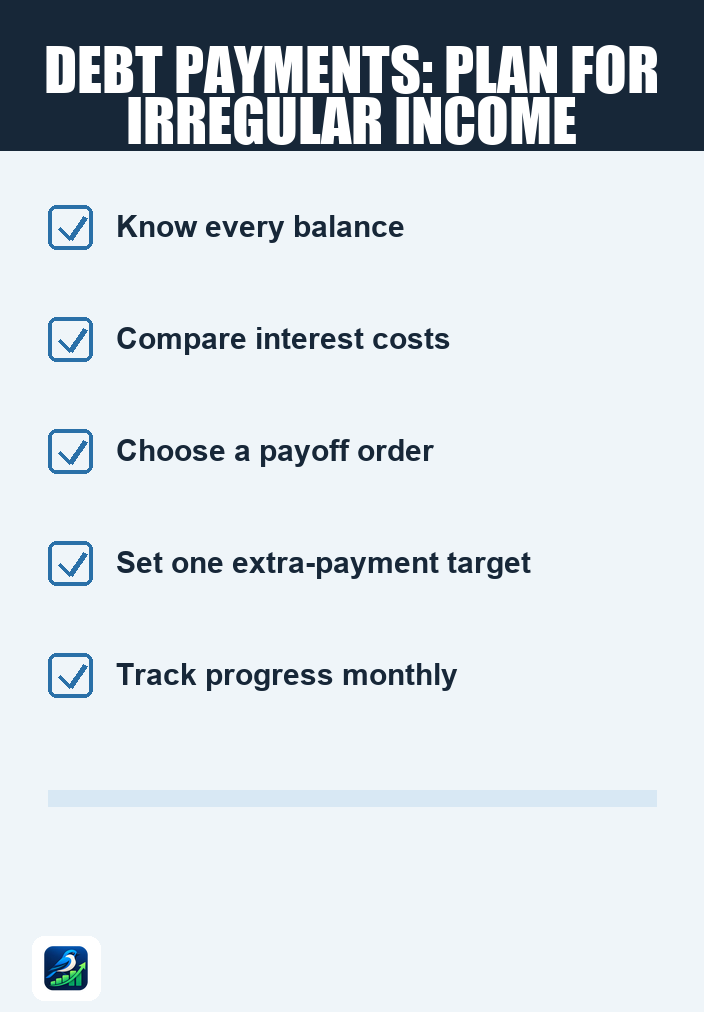
Here are some actionable steps to consider:
- Review your budget and adjust as necessary.
- Consider consolidating debts if you have multiple accounts.
- Invest time in improving your financial literacy.
- Address any emotional stress related to finances and seek help if needed.
- Communicate with your creditors if you anticipate further difficulties in making payments.
By taking a holistic approach to your financial situation, you can better manage your debts and create a more sustainable financial future.