
Understanding the Risks of Balance Transfers
Transferring your credit card balance to a new card with a lower interest rate may seem like a straightforward solution to managing debt. However, this strategy can often exacerbate your financial situation rather than alleviate it. In this article, we’ll explore why balance transfers might worsen your debt woes and provide practical advice to help you navigate your options.
How Balance Transfers Work
A balance transfer involves moving debt from one credit card to another, typically to take advantage of lower interest rates. Many credit cards offer introductory 0% APR periods for balance transfers, which can be enticing. However, it’s essential to understand how these offers work:
- Transfer Fees: Most cards charge a fee for transferring a balance, usually a percentage of the amount transferred. This can add to your debt right from the start.
- Introductory Period: The 0% APR usually lasts for a limited time, often between 6 to 18 months. After that, the interest rate typically increases significantly.
- Credit Limit: If your new card has a lower credit limit than your current balance, you may not be able to transfer the entire amount, leaving some debt on the original card.
The False Sense of Security
One of the biggest pitfalls of balance transfers is the psychological impact they can have. Many people feel a sense of relief when transferring their debt, believing they have found a solution. This false sense of security can lead to:
- Increased Spending: With a new card, some people may feel inclined to spend more, thinking they have more financial breathing room.
- Neglecting Payments: The focus on the new card might lead to missed payments on the old card, resulting in late fees and higher interest rates.
- Overlooking Other Debts: A balance transfer doesn’t eliminate the original debt; it merely moves it. This can lead to neglecting other financial obligations.
Common Mistakes to Avoid When Transferring Balances
To avoid worsening your debt woes, consider these common mistakes associated with balance transfers:
- Not Reading the Fine Print: Always review the terms and conditions of the new card. Look for hidden fees, the duration of the promotional period, and what the interest rate will be afterward.
- Ignoring the Total Cost: Calculate the total cost of the transfer, including fees and potential interest charges after the promotional period ends. This will give you a clearer picture of your financial situation.
- Not Having a Repayment Plan: Simply moving debt doesn’t solve the problem. Without a clear repayment plan, you may find yourself in the same situation when the promotional period ends.
Alternatives to Balance Transfers
If balance transfers might not be the best solution for your financial situation, consider these alternatives:
Debt Consolidation Loans
Debt consolidation loans involve taking out a new loan to pay off multiple debts. This can simplify payments and potentially lower your interest rate. However, be cautious about:
- Loan Terms: Ensure you understand the terms, fees, and interest rates associated with the new loan.
- Secured vs. Unsecured: Secured loans may require collateral, putting your assets at risk if you can’t repay.
Debt Management Plans
Consider working with a credit counseling agency to create a debt management plan (DMP). This structured repayment plan can help you pay off your debts over time without taking on new credit. Key points to consider include:
- Monthly Payments: DMPs typically involve fixed monthly payments, which can make budgeting easier.
- Impact on Credit Score: DMPs can affect your credit score, especially if accounts are closed.
Debt Settlement
Debt settlement involves negotiating with creditors to pay less than what you owe. This can significantly reduce your total debt but comes with its own risks:
- Credit Score Impact: Settling debts can negatively impact your credit score.
- Tax Implications: Forgiven debt may be considered taxable income, so consider consulting a tax professional.
When to Seek Professional Help
Understanding the complexities of debt management can be overwhelming. If you’re unsure of your options or feel trapped in debt, consider seeking professional guidance. A financial advisor or credit counselor can help you assess your situation and develop a personalized plan.
Next Steps for Managing Your Debt
If you’re struggling with credit card debt, here are practical steps to consider:
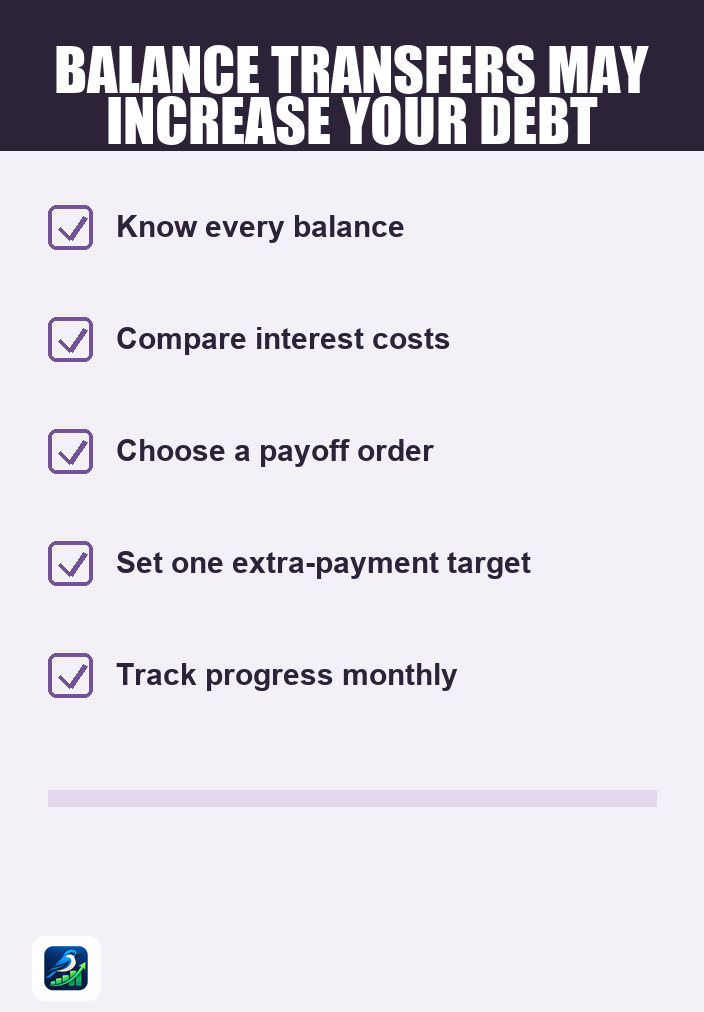
- Assess Your Debts: List all your debts, including balances, interest rates, and minimum payments. Understanding your full financial picture is crucial.
- Create a Budget: Develop a monthly budget that accounts for all your expenses and allows for debt repayment.
- Explore Options: Research and consider alternatives like debt consolidation, management plans, or settlement strategies that suit your situation.
- Monitor Your Progress: Regularly review your financial situation and adjust your plan as necessary.
By taking a thoughtful approach to managing your debt, you can make informed decisions that will lead you toward financial stability.



















