Understanding Debt Settlement and Its Impact on Your Credit
Debt settlement can feel like a necessary step when you’re overwhelmed by debt. It involves negotiating with creditors to pay off a portion of your debt, which can provide immediate relief. However, this process can have a significant impact on your credit score. Knowing how to rebuild your credit after debt settlement is crucial for regaining financial stability.
First, it’s essential to recognize that settling a debt can negatively affect your credit score. When a creditor agrees to accept less than what you owe, they typically report this to the credit bureaus as “settled” or “paid settled.” This status can signal to future lenders that you were unable to meet your original payment obligations. The good news is that while your credit score may take a hit, it’s possible to rebuild it over time without sacrificing your financial stability.
Step 1: Assess Your Current Financial Situation
Before diving into rebuilding your credit, take a comprehensive look at your financial situation. Understanding where you stand will help you create a solid plan moving forward.
Review Your Credit Report
Start by obtaining a copy of your credit report from all three major credit bureaus. Look for the following:
- Accounts that have been settled
- Any inaccuracies or errors
- Current balances and payment history
Dispute any inaccuracies you find, as correcting errors can positively impact your score. You’re entitled to one free credit report per year from each bureau, so take advantage of this opportunity.
Evaluate Your Debt Load
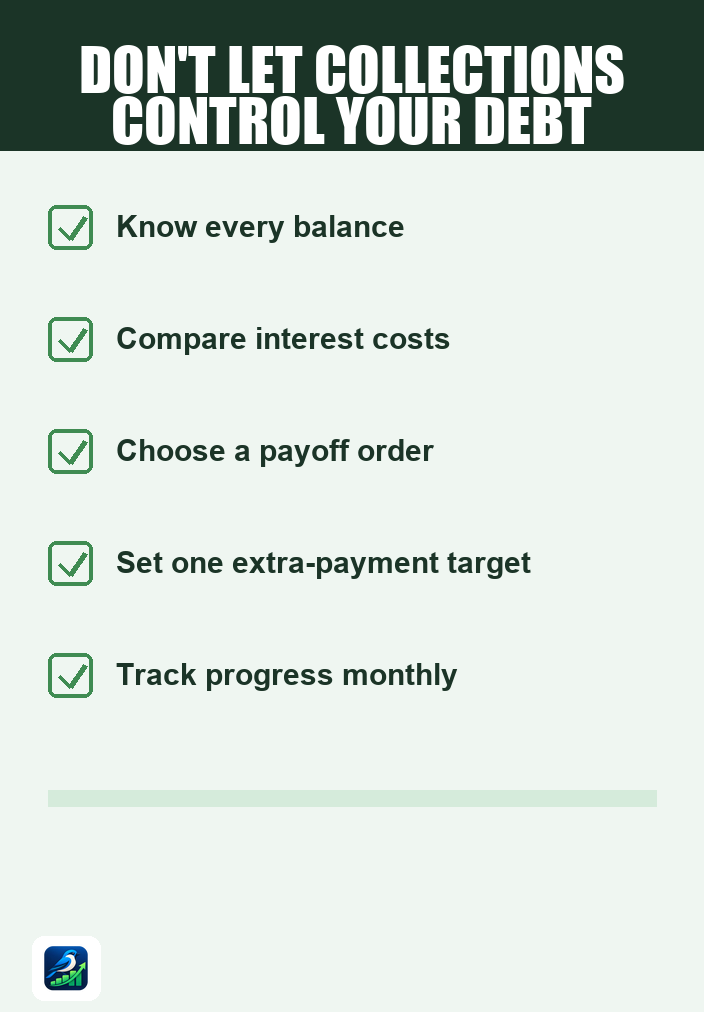
Analyze your remaining debts to determine which ones are most pressing. List them out, including the total amount, interest rates, and monthly payments. This will give you a clearer picture of your financial obligations and help you prioritize your debt repayment strategy.
Step 2: Create a Budget That Works
A well-structured budget is your best tool for managing your finances post-debt settlement. Here’s how to create one:
Track Income and Expenses
List all sources of income and fixed expenses, such as rent, utilities, and groceries. Be sure to include discretionary spending, too. Use budgeting apps or spreadsheets to keep everything organized.
Set Realistic Goals
Establish short-term and long-term financial goals. For example:
- Short-term: Save $100 each month for an emergency fund.
- Long-term: Pay off any remaining debt within two years.
Setting achievable goals will help keep you motivated without overwhelming your finances.
Step 3: Rebuild Your Credit with Strategic Actions
Once you have a budget in place, focus on rebuilding your credit score. Here are practical steps to take:
Make Timely Payments
Ensure that all your current bills are paid on time. Payment history is one of the most significant factors affecting your credit score. Set up reminders or automatic payments if necessary.
Consider a Secured Credit Card
If you find it challenging to get approved for a traditional credit card, consider applying for a secured credit card. With this type of card, you deposit a certain amount of money as collateral, which typically becomes your credit limit. Use the card responsibly by:
- Keeping your balance low (ideally under 30% of your limit)
- Paying the balance in full each month
Using a secured card responsibly can help rebuild your credit over time.
Become an Authorized User
If you have a trusted friend or family member with a good credit history, consider asking them to add you as an authorized user on their credit card. This allows you to benefit from their positive payment history without taking on the debt yourself. Just ensure they maintain good credit habits.
Step 4: Monitor Your Progress
Keep track of your credit score and overall financial health. Regularly review your credit report to see how your efforts are impacting your score. Most financial institutions provide free access to your credit score, making it easy to monitor changes.
Adjust Your Strategy as Needed
As you monitor your progress, be prepared to adjust your strategy. If certain actions are not yielding the expected results, explore alternative methods. For instance, if you’re struggling to save money, consider revising your budget or finding ways to increase your income.
Step 5: Stay Educated and Seek Help if Needed
Understanding credit and debt management is an ongoing process. Take the time to educate yourself about credit scores, financial planning, and debt management options. There are many resources available, including books, online courses, and financial workshops.
If you find yourself overwhelmed, don’t hesitate to seek professional advice. Certified credit counselors can help you develop a personalized plan tailored to your needs.
Practical Next Steps for Rebuilding Your Credit
Rebuilding your credit after debt settlement is a gradual process that requires patience and dedication. To kickstart your journey:
- Obtain your credit reports and assess your situation.
- Create a realistic budget that prioritizes debt repayment and savings.
- Implement strategies to build credit, such as making timely payments and considering secured credit options.
- Regularly monitor your credit to track your progress.
- Stay informed and seek professional guidance if necessary.
By following these steps, you can rebuild your credit without sacrificing your financial stability. Remember, it’s a marathon, not a sprint; consistency is key to achieving your financial goals.