
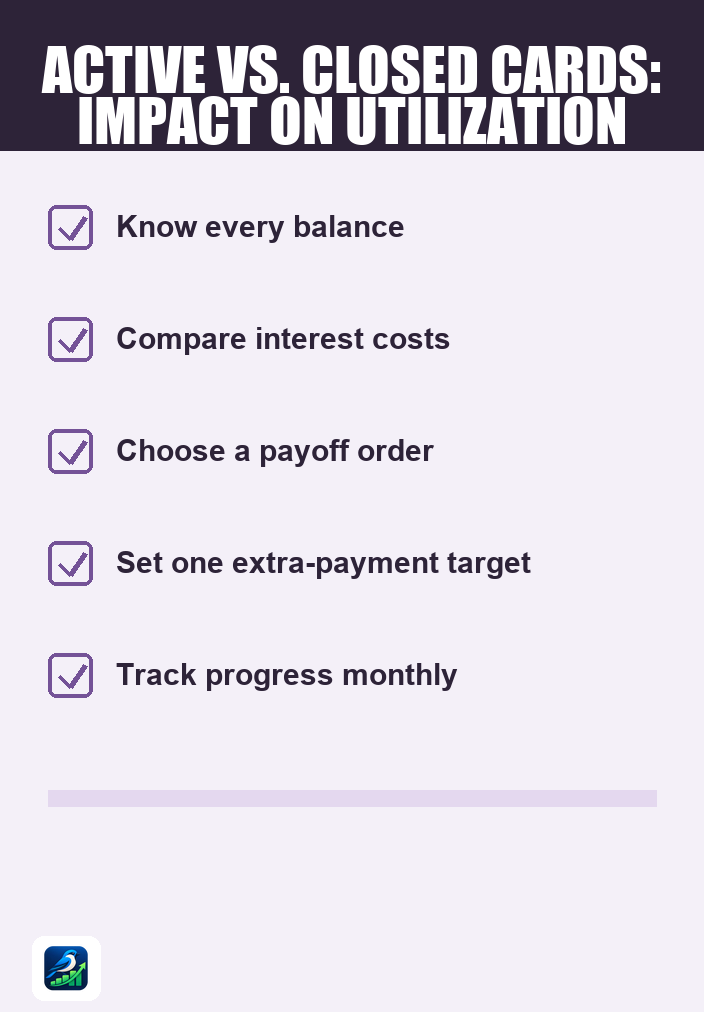
Understanding Credit Utilization: Closed Credit Cards vs. Active Accounts
When it comes to managing your credit score, understanding credit utilization is crucial. One of the common dilemmas faced by consumers is whether to keep closed credit cards on their reports and how these decisions impact their overall credit utilization. In this article, we’ll explore the differences between closed credit cards and active accounts, and how each affects your credit utilization ratio.
What is Credit Utilization?
Credit utilization is the ratio of your current credit card balances to your total credit limit across all accounts. It is an important factor in calculating your credit score. Generally, a lower utilization ratio is viewed favorably by lenders, as it suggests responsible credit management. Most financial experts recommend keeping your credit utilization below 30% to maintain a healthy credit score.
Active Accounts and Their Impact
Active credit accounts are those that you are currently using. Keeping these accounts open and utilizing them responsibly can positively impact your credit score in several ways:
- Higher Credit Limits: Active accounts contribute to your total available credit. For example, if you have two credit cards with a combined limit of $10,000 and a balance of $1,000, your utilization ratio is 10%. This is considered healthy.
- Ongoing Payment History: Making timely payments on active accounts adds positive information to your credit history, further enhancing your score.
- Credit Mix: Lenders appreciate a diverse credit portfolio. Having a mix of credit types (revolving credit, installment loans, etc.) can be beneficial.
Closed Credit Cards and Their Effects
When you close a credit card account, the impact on your credit utilization can be significant:
- Reduced Credit Limit: Closing an account decreases your total available credit. If you close a card with a $5,000 limit, your total available credit decreases, which can raise your utilization ratio, assuming your debt remains the same.
- Length of Credit History: Closed accounts can remain on your credit report for up to ten years, which means they can still contribute to your credit history length. However, their impact on utilization will diminish over time, especially if you have active accounts.
- Potential Negative Perception: Lenders may perceive recent closed accounts as a sign of financial distress, especially if there are several within a short time frame.
Comparing the Two: Which Impacts Utilization More?
In general, active accounts have a more favorable impact on your credit utilization than closed accounts. Here’s why:
- Higher Total Credit Limit: Active accounts increase your total available credit, which can help keep your utilization ratio low.
- Ongoing Contributions: Active accounts contribute to your credit history and utilization actively, while closed accounts merely linger as a historical reference.
For example, if you have a balance of $1,000 on a single active card with a $5,000 limit, your utilization is 20%. However, if you close a second card with a $3,000 limit, your total available credit drops to $5,000, raising your utilization to 20% again, but now you have less credit diversity. The active account is working to your advantage.
Factors to Consider When Closing Accounts
Before closing any credit card accounts, consider the following factors:
- Your Current Utilization Ratio: Evaluate how closing an account will affect your overall utilization. Use a simple calculation: divide your total balances by your total credit limits.
- Your Future Credit Needs: Consider whether you might need to apply for loans or additional credit soon. A higher utilization ratio can negatively affect your creditworthiness.
- Account Fees: If an account has an annual fee that you’re not willing to pay, it may make sense to close it. However, weigh this against the potential impact on your utilization.
Strategies for Managing Credit Utilization
Here are some practical strategies to manage your credit utilization effectively:
- Keep Low Balances: Aim to pay off your credit card balances in full each month. This not only helps you avoid interest charges but also keeps your utilization low.
- Request Credit Limit Increases: If you have a good payment history, consider requesting a credit limit increase on your active accounts. This can help lower your utilization ratio without needing to close accounts.
- Diversify Your Credit: Maintaining a mix of credit types can help. If your credit is primarily revolving, consider adding an installment loan or vice versa.
- Monitor Your Accounts: Regularly check your credit report for accuracy. Errors can affect your score and utilization, so staying informed can help you address issues promptly.
Next Steps: Managing Your Credit Wisely
Understanding the dynamics between closed credit cards and active accounts is essential for managing your credit utilization effectively. If you’re contemplating closing a credit card, weigh the potential impacts and consider how it fits into your overall financial strategy. Remember, maintaining a healthy credit score takes time and conscious effort.
As you navigate your financial journey, it may be beneficial to consult with a credit counselor for personalized strategies tailored to your situation. Being informed and proactive can help you make decisions that align with your financial goals.



















