
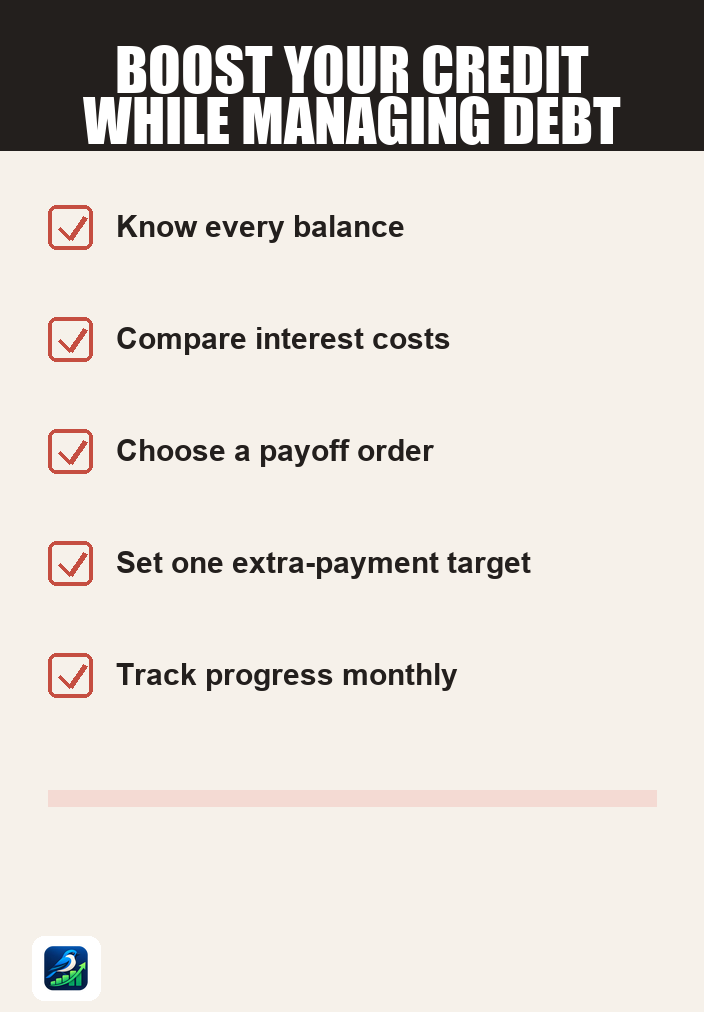
Understanding Credit Monitoring in the Context of Debt Management
Effective credit monitoring is a crucial component when managing debt. It helps you stay informed about your credit status and can alert you to changes that might impact your financial health. By asking the right questions and understanding how credit monitoring works, you can better navigate your debt journey. Here are key questions to consider.
What is Credit Monitoring and Why is it Important?
Credit monitoring involves tracking your credit report and credit score over time. It provides insights into your credit health and alerts you to significant changes such as new accounts, missed payments, or significant shifts in your credit score. Understanding this can help you make informed decisions about your finances.
Key Benefits of Credit Monitoring
- Early Detection of Issues: Regular monitoring can help you catch errors or signs of identity theft early.
- Understanding Your Credit Score: It can help you comprehend the factors affecting your credit score, which is crucial when managing debt.
- Informed Decision-Making: By knowing your credit standing, you can make better choices about loans, credit cards, and debt management strategies.
What Specific Information Should I Monitor?
When engaging in credit monitoring, focus on several key areas:
- Credit Score: Understand the factors that influence your score, such as payment history, amounts owed, length of credit history, new credit, and types of credit used.
- Credit Report: Regularly review your credit report for accuracy. Look for any discrepancies or unfamiliar accounts that may indicate fraud.
- Account Status: Pay attention to your accounts, including their payment status, balances, and any delinquencies.
How Often Should I Check My Credit?
Frequency of checking your credit can depend on your personal situation. However, a general guideline is:
- Monthly Checks: If you are actively managing debt, checking your credit at least once a month can give you a clearer picture of your financial health.
- Quarterly Reviews: For those in a more stable situation, quarterly reviews may suffice.
- After Major Financial Changes: Check your credit whenever you take a significant financial step, such as applying for a loan or settling a debt.
What Tools and Services Are Available for Credit Monitoring?
There are several tools available for credit monitoring. Options may include:
- Free Monitoring Services: Many financial institutions offer free credit monitoring to their customers, which can be a great starting point.
- Paid Services: Consider whether a paid service that offers additional features like identity theft protection or credit score simulators is worth the cost based on your needs.
How Can Credit Monitoring Aid in Debt Management?
Effective credit monitoring can significantly aid in your debt management efforts. Here’s how:
- Identifying Problem Areas: If your credit score drops, monitoring can help pinpoint whether it’s due to high credit utilization or missed payments.
- Tracking Progress: As you pay down debts or consolidate, monitoring can help you see how these actions positively affect your credit score over time.
- Informed Negotiations: When discussing debt settlement or consolidation options, understanding your credit status can strengthen your position.
What Are the Tradeoffs of Credit Monitoring?
While credit monitoring is beneficial, it’s essential to understand the tradeoffs:
- Cost: Some services come with fees that may not fit every budget. Be sure to weigh the benefits against the costs.
- False Sense of Security: Monitoring can help detect issues, but it doesn’t prevent them. Staying vigilant in other areas of your financial health is still necessary.
- Information Overload: Frequent alerts can be overwhelming. Determine how much information you genuinely need to make informed decisions.
When Should I Seek Professional Guidance?
While credit monitoring is an excellent tool for managing debt, there are times when professional guidance may be beneficial:
- Persistent Issues: If you notice ongoing issues with your credit that you cannot resolve, a credit counselor can provide assistance.
- Complex Situations: If you’re considering bankruptcy or facing severe financial distress, consulting a financial advisor or attorney may be wise.
- Understanding Options: Professionals can help clarify the differences between debt management, debt consolidation, and debt settlement, guiding you to the right choice for your situation.
Next Steps for Effective Credit Monitoring
To effectively leverage credit monitoring in your debt management journey, consider the following steps:
- Choose a Monitoring Service: Decide whether to use a free service through your bank or invest in a paid one based on your needs.
- Create a Monitoring Schedule: Set up reminders to check your credit report and score regularly.
- Review and Record Changes: Keep a record of any significant changes in your credit report and plan your next steps accordingly.
- Educate Yourself: Learn more about credit scores and reports to better understand how your actions affect your financial health.
- Seek Help if Necessary: Don’t hesitate to consult professionals if you encounter challenges you cannot navigate alone.
By asking the right questions and staying proactive in your credit monitoring efforts, you can better manage your debt and work toward a healthier financial future.



















