
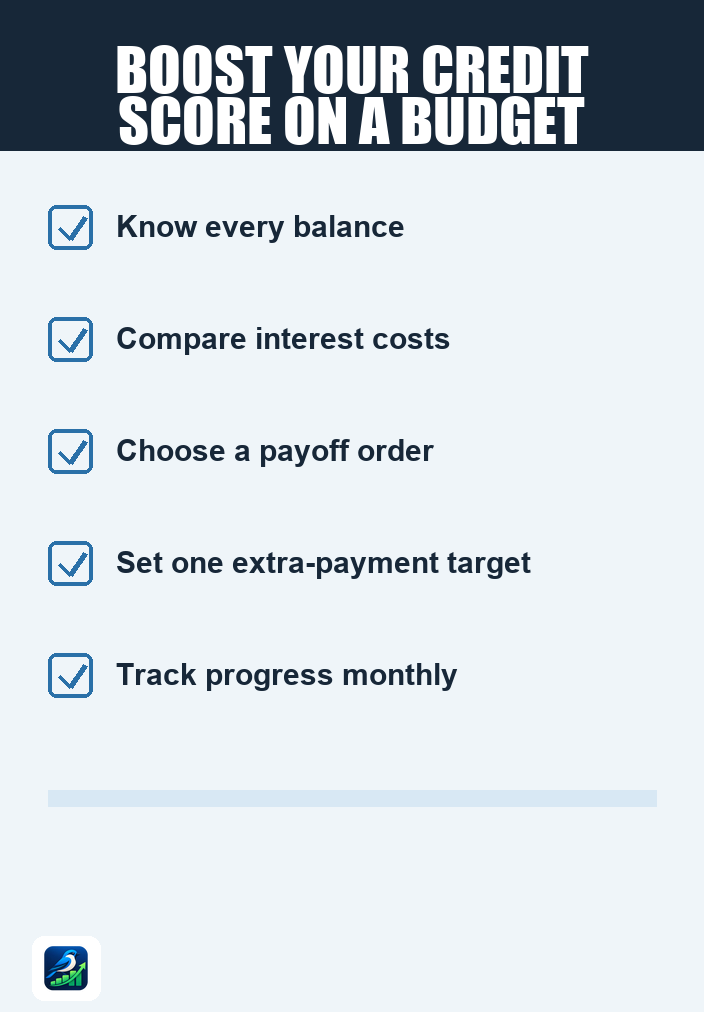
Understanding Your Credit Score and Its Impact
Your credit score is more than just a number; it reflects your financial behavior and influences your ability to secure loans, credit cards, and even rental agreements. A low credit score can feel like a heavy weight, especially when you’re navigating debt recovery on a tight budget. However, with some effective habits and strategies, you can begin to revive your credit score without breaking the bank.
Identify Areas for Improvement
The first step toward improving your credit score is understanding its components. Credit scores are typically calculated based on the following factors:
- Payment History (35%): Timely payments on your bills and debts are crucial.
- Credit Utilization (30%): This is the ratio of your current credit card balances to your credit limits.
- Length of Credit History (15%): Longer credit histories can positively impact your score.
- Types of Credit (10%): A mix of credit types—such as credit cards, installment loans, and retail accounts—can be beneficial.
- New Credit (10%): Opening multiple new accounts in a short period can negatively affect your score.
By identifying which areas need the most attention, you can tailor your recovery efforts effectively.
Developing a Budget-Friendly Payment Strategy
When working to revive your credit score, consistency in payments is critical. Here are some strategies that can help you manage your payments without straining your budget:
- Prioritize Your Bills: List out your debts and prioritize them based on interest rates and payment due dates. Focus on the debts with the highest interest rates first.
- Set Up Automatic Payments: If possible, automate your minimum payments to ensure you never miss a deadline.
- Negotiate Payment Plans: Contact your creditors to see if they offer payment plans that allow you to pay smaller amounts over a longer period.
By managing your payments effectively, you can maintain a positive payment history, which is essential for improving your credit score.
Mind Your Credit Utilization Ratio
Credit utilization is a significant factor in your credit score. Keeping your credit utilization below 30% is generally recommended. Here are some tips to manage this:
- Pay Down Balances: If you have high credit card balances, focus on paying them down as much as possible each month.
- Request a Credit Limit Increase: If your financial situation allows, consider asking your credit card issuer for a credit limit increase. This can lower your utilization ratio, provided your balance remains the same.
- Spread Out Spending: If you have multiple credit cards, try to distribute your spending across them rather than maxing out a single card.
By actively managing your credit utilization, you can make a positive impact on your score over time.
Managing Existing Debt: Options to Consider
If you find yourself overwhelmed with debt, there are several options to consider that might assist in managing it. However, it’s essential to understand the differences and trade-offs associated with each option:
Debt Consolidation
This involves combining multiple debts into a single loan, which can simplify your payments. While this can lower your monthly payment, it may extend the repayment period, resulting in more interest paid over time.
Debt Management Plans
These plans can help you pay off your debts through structured payments to a credit counseling agency. While they can be beneficial, they may require closing some credit accounts, which can impact your credit score.
Debt Settlement
This involves negotiating with creditors to settle your debt for less than what you owe. While it can reduce the total amount you pay back, it can negatively affect your credit score and may not be suitable for everyone.
Bankruptcy
As a last resort, bankruptcy can provide relief from overwhelming debt, but it has long-lasting effects on your credit score and should be considered carefully.
Building Positive Credit Habits
Beyond managing existing debts, developing positive credit habits can play a significant role in improving your credit score. Here are some practical habits to adopt:
- Use Credit Responsibly: Whenever you use credit, ensure you can pay it back in full each month to avoid interest charges.
- Monitor Your Credit Report: Regularly review your credit report for errors or discrepancies. You can request a free report from several sources each year.
- Limit New Credit Applications: Each time you apply for credit, a hard inquiry is made, which can temporarily lower your score. Be strategic about when and how often you apply for new credit.
By cultivating these habits, you can create a solid foundation for long-term credit health.
Next Steps for Credit Recovery
Reviving your credit score on a tight budget requires patience, dedication, and strategic planning. Start by assessing your current credit situation and prioritizing areas for improvement. Develop a budget that allows you to make consistent payments and manage your credit utilization wisely. Explore your options for debt management, but remain aware of the potential trade-offs involved.
Remember, improving your credit score is a gradual process. By adopting positive financial habits and staying informed, you can work your way toward a healthier credit profile.



















