Understanding the Costs of Credit Monitoring While Managing Debt Repayment
When you’re in the midst of managing and repaying debt, maintaining a clear understanding of your finances is crucial. One tool that has gained popularity is credit monitoring. While it can offer valuable insights into your credit health, there are costs associated with it that need consideration. This article delves into the costs of credit monitoring and its role in effective debt management.
What is Credit Monitoring?
Credit monitoring is a service that tracks your credit report and alerts you to changes or potential fraud. It typically involves regular checks on your credit score and report from one or more credit bureaus. Many services also provide tools to help you understand your credit health, which can be particularly useful when you’re trying to manage your debt.
How Much Does Credit Monitoring Cost?
The cost of credit monitoring can vary significantly based on the services provided. Here’s a general breakdown:
- Free Services: Some companies offer basic monitoring for free, which may include access to your credit score and alerts for significant changes.
- Paid Services: Premium services can range from $10 to $30 per month or more. These often include additional features such as identity theft protection, access to credit reports, and more comprehensive alerts.
Before committing to a service, evaluate what features are essential for you and whether the cost aligns with your budget.
Evaluating the Benefits of Credit Monitoring
While understanding the costs is essential, it’s equally important to weigh the benefits of credit monitoring, especially when managing debt. Here are some advantages:
- Fraud Detection: Credit monitoring can alert you quickly to any unauthorized transactions or accounts opened in your name, which is crucial if you’re managing debt.
- Credit Score Insights: Regular access to your credit score can help you understand how your debt repayment efforts affect your credit health.
- Informed Decision-Making: With ongoing monitoring, you can make more informed decisions about debt management strategies based on your credit standing.
Understanding the Trade-offs
As with any financial tool, there are trade-offs to consider when opting for credit monitoring:
- Cost vs. Benefit: If your budget is tight due to debt repayments, weigh the monthly fee against the potential benefits. Free services might suffice for your needs.
- Overreliance: Relying too heavily on monitoring tools might lead you to neglect other critical aspects of your financial health, such as budgeting and reducing expenses.
- False Sense of Security: While credit monitoring can help detect fraud, it doesn’t prevent it. Always stay vigilant about your accounts.
Strategies for Effective Debt Management with Credit Monitoring
Combining credit monitoring with effective debt management strategies can enhance your overall financial health. Here are some practical steps:
1. Create a Budget
A well-structured budget is foundational for managing debt. List all your income sources and monthly expenses, ensuring you allocate funds for debt repayment. Credit monitoring can help you understand how your spending habits impact your credit score.
2. Set Clear Financial Goals
Define what you want to achieve with your debt repayment. This could be paying off a certain amount each month or improving your credit score by a specific number of points. Use insights from your credit monitoring service to track your progress.
3. Prioritize Debt Repayment
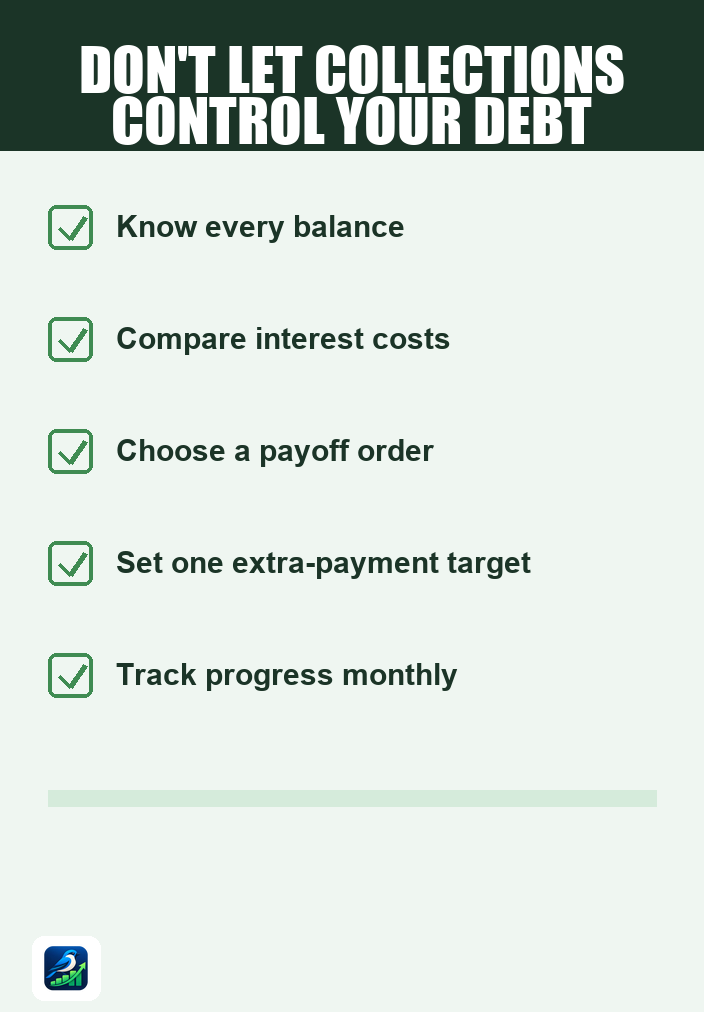
Consider using strategies such as the avalanche or snowball methods for debt repayment. Credit monitoring can help you see how these strategies affect your credit score over time.
4. Stay Informed About Your Credit Report
Regularly checking your credit report for errors or discrepancies can save you money in the long run. Use the alerts from your credit monitoring service to stay updated.
Alternatives to Credit Monitoring
If the cost of credit monitoring seems too high or unnecessary, consider these alternatives:
- Annual Credit Report: You can request a free credit report from each of the three major credit bureaus once a year. This allows you to review your report without any ongoing costs.
- Credit Score Services: Many financial institutions provide free access to your credit score as part of their services, which can be a cost-effective alternative.
- Alert Systems: Some banks offer fraud alert services that notify you of unusual transactions, which can be a simpler way to monitor your credit activity.
Next Steps
Understanding the costs and benefits of credit monitoring is vital as you navigate your debt repayment journey. Here are practical next steps:
- Assess your budget to determine if you can afford credit monitoring services.
- Compare different services to find one that meets your needs without unnecessary expenses.
- Implement a comprehensive debt management strategy that utilizes insights from credit monitoring.
- Explore alternatives if credit monitoring costs do not fit into your financial plan.
By being informed about credit monitoring and how it fits into your debt management strategy, you can make better financial decisions that support your long-term goals.