
Understanding Your Debt Landscape
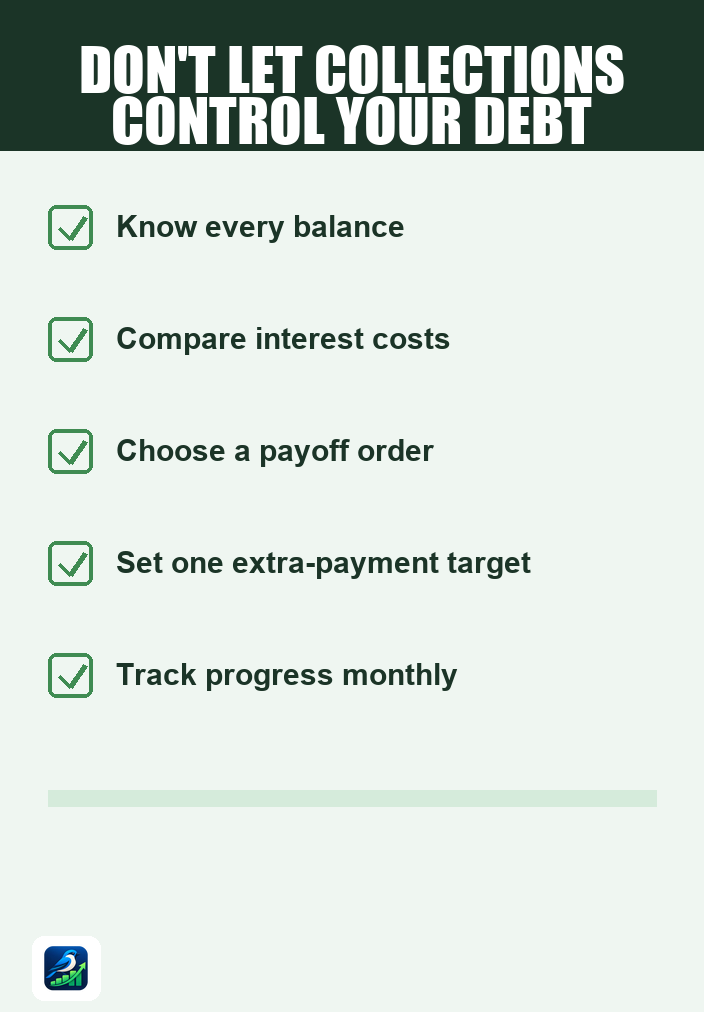
When you’re facing multiple outstanding debts, particularly collections, it can feel overwhelming. The first step toward resolving this situation is to get a clear picture of your financial landscape. Gather all your statements, bills, and any communication from creditors. Make a list that includes the creditor name, the total amount owed, the due dates, and the status of each account. This will help you visualize your debts and prioritize your repayment strategy.
Prioritize Your Debts
Once you have a comprehensive list, it’s time to prioritize your debts. Not all debts are created equal; some may have higher interest rates, while others could be affecting your credit score more severely. Here’s how to approach this:
- High-Interest Debts: Focus on debts with the highest interest rates first. Paying these off can save you money in the long run.
- Debts in Collection: If you have debts that are already in collections, prioritize these as they can lead to legal action or further damage to your credit score if left unpaid.
- Essential Services: Keep current on bills for necessary services like utilities, as falling behind can lead to service interruptions.
Explore Payment Options
Next, consider your options for paying off these debts. Each situation is unique, so evaluate what works best for your circumstances.
1. Payment Plans
Many creditors are open to establishing payment plans, especially if you communicate openly about your financial situation. Reach out to your creditors to see if they can offer a structured payment plan that fits within your budget.
2. Debt Settlement
Debt settlement involves negotiating with creditors to pay a lump sum that is less than the total owed. While this can provide immediate relief, it may negatively impact your credit score and isn’t suitable for everyone. If you go this route, it may be beneficial to work with a professional to navigate the process.
3. Debt Consolidation
Debt consolidation involves combining multiple debts into a single loan, typically at a lower interest rate. This can simplify payments but comes with its own risks. For example, if you’re unable to keep up with the new loan, you could end up in a worse situation than before.
4. Credit Counseling
Consider seeking assistance from a certified credit counselor. They can help you create a budget, negotiate with creditors, and offer strategies tailored to your situation. This professional guidance can provide clarity and direction.
Communicate with Creditors
Open communication with your creditors is crucial. If you’re struggling to make payments, let them know. Many creditors prefer to work with you rather than risk losing the debt entirely. Document all communications, including dates and details of what was discussed, for your records.
Consider Legal Protections
If your debts are overwhelming, you might contemplate legal options such as bankruptcy. This is a serious decision that can have long-lasting effects on your credit. There are different types of bankruptcy, and the rules vary by location, so consulting with a legal professional is essential before pursuing this path.
Addressing Collections Wisely
When dealing with collections, it’s important to understand your rights. The Fair Debt Collection Practices Act outlines what collectors can and cannot do. For instance, they cannot harass you or contact you at unreasonable hours. Keeping this in mind can help you handle collections more effectively.
1. Validate the Debt
If a collection agency contacts you, request validation of the debt. They must provide proof that the debt is valid and that they have the right to collect it. This can buy you time and potentially reveal inaccuracies.
2. Negotiate Settlements
If the debt is valid, consider negotiating a settlement. Often, collectors will accept less than the full amount owed, especially if you can pay a lump sum. Be sure to get any agreements in writing before sending payment.
Stay Organized and Committed
Staying organized is key to managing your debts. Create a repayment schedule and stick to it. Set reminders for payment due dates, and track your progress regularly. Celebrate small victories to keep yourself motivated.
Next Steps: Take Action
Now that you have strategies to address your debts, take the first step today. Review your financial situation, prioritize your debts, and reach out to creditors or professionals for assistance. Every small action you take can lead to significant progress over time. Remember, the journey to financial recovery is a marathon, not a sprint.



















