
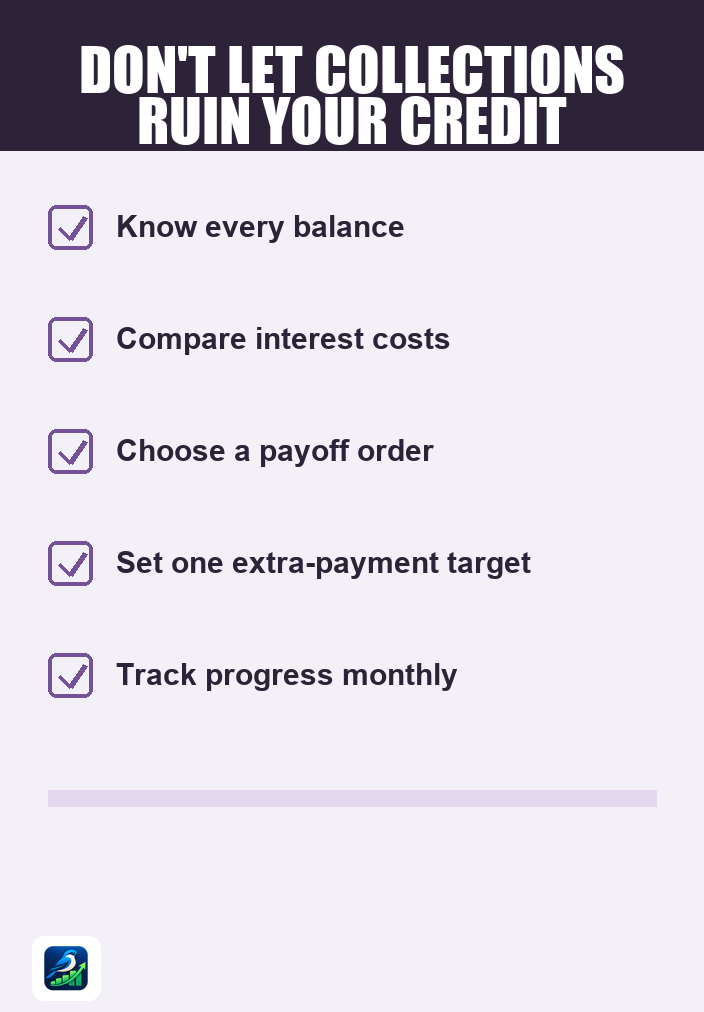
Understanding Collection Accounts: The Basics
Collection accounts can severely impact your credit report, making it essential to understand how they work and how to avoid them. A collection account is typically created when a creditor attempts to recover an unpaid debt and hands the account over to a collection agency. This can happen with various types of debt, including credit cards, medical bills, and personal loans.
Common Traps That Lead to Collection Accounts
Understanding the common pitfalls that can lead to collection accounts is key to protecting your credit score. Here are some of the most frequent traps:
1. Ignoring Bills
One of the easiest ways to find yourself in collections is simply ignoring bills. Whether due to forgetfulness or financial distress, letting bills pile up can quickly lead to late payments and eventually, a collection account.
- Tip: Set up reminders for bill payments or automate them to avoid missing deadlines.
2. Not Communicating with Creditors
When faced with financial difficulties, ignoring your creditors can be tempting. However, most creditors prefer to work with you rather than send your account to collections. They may offer payment plans or temporary relief options.
- Tip: Reach out to your creditors as soon as you realize you might miss a payment. Open dialogue can sometimes prevent escalation.
3. Underestimating Small Balances
Many people think small balances are not worth the hassle. However, ignoring a $50 bill can lead to a collection account. Collection agencies often buy debts for pennies on the dollar, and even small amounts can become a significant issue.
- Tip: Pay off small balances promptly to avoid them being sold to collections.
4. Overusing Credit
Relying too heavily on credit can lead to financial distress, making it harder to keep up with payments. High credit utilization can negatively impact your credit score, making it more likely you’ll miss payments.
- Tip: Aim to keep your credit utilization below 30% of your total credit limit.
5. Missing Payment Deadlines
Missed payments can quickly snowball into larger problems. Most creditors will report missed payments to credit bureaus after 30 days. If you continue to miss payments, your account may be sent to collections.
- Tip: Consider enrolling in a debt management plan to help ensure timely payments.
6. Not Understanding Your Rights
Many consumers are unaware of their rights regarding debt collection. The Fair Debt Collection Practices Act (FDCPA) protects consumers from abusive and harassing collection practices. Understanding these rights can empower you to take action if necessary.
- Tip: Familiarize yourself with the FDCPA and know what constitutes unfair practices.
Strategies to Avoid Collection Accounts
Now that you know the common traps, here are some actionable strategies to avoid collection accounts:
1. Create a Budget
Establishing a budget can help you manage your expenses and ensure you have sufficient funds for bill payments. Track your income and expenses to identify areas where you can cut back.
2. Build an Emergency Fund
Having an emergency fund can provide a financial cushion when unexpected expenses arise. Aim for at least three to six months’ worth of living expenses saved in a dedicated account.
3. Monitor Your Credit Report
Regularly checking your credit report can help you catch potential issues before they escalate. Look for any discrepancies or unfamiliar accounts that could indicate a problem.
4. Set Up Alerts
Most banks and credit card companies offer alert systems to notify you of upcoming due dates or low balances. These alerts can serve as helpful reminders to stay on top of your payments.
5. Consider Debt Consolidation or Management Plans
If you’re struggling with multiple debts, you may want to explore debt consolidation or debt management plans. These options can simplify your payments and potentially lower interest rates. However, be aware of the trade-offs:
- Debt consolidation can lead to prolonged repayment periods and higher overall interest costs.
- Debt management plans may require you to close credit accounts, which could temporarily affect your credit score.
What to Do If You Encounter Collections
Even with the best intentions, you may still find yourself facing a collection account. Here’s what to do:
1. Verify the Debt
Before making any payments, verify that the debt is yours. Request validation from the collection agency and check that the amount is accurate.
2. Don’t Ignore Communication
Ignoring collection notices won’t make the debt go away. Address the situation head-on by either paying the debt or negotiating with the collector.
3. Know Your Rights
If you feel that a collection agency is acting unfairly, you have the right to file a complaint with the Consumer Financial Protection Bureau (CFPB) or consult an attorney specializing in consumer rights.
4. Consider Professional Help
If managing debt becomes overwhelming, seeking help from a credit counseling service can provide useful guidance. They can assist you in creating a plan to manage your debts effectively.
Next Steps to Protect Your Credit
In summary, avoiding collection accounts requires vigilance and proactive financial management. Here are some practical next steps:
- Create a budget and stick to it.
- Establish an emergency fund to cover unexpected expenses.
- Monitor your credit report regularly.
- Communicate with creditors and seek professional help if needed.
By understanding the common traps and implementing these strategies, you can significantly reduce the risk of damaging your credit report with collection accounts. Staying informed and proactive is key to maintaining a healthy financial future.



















