
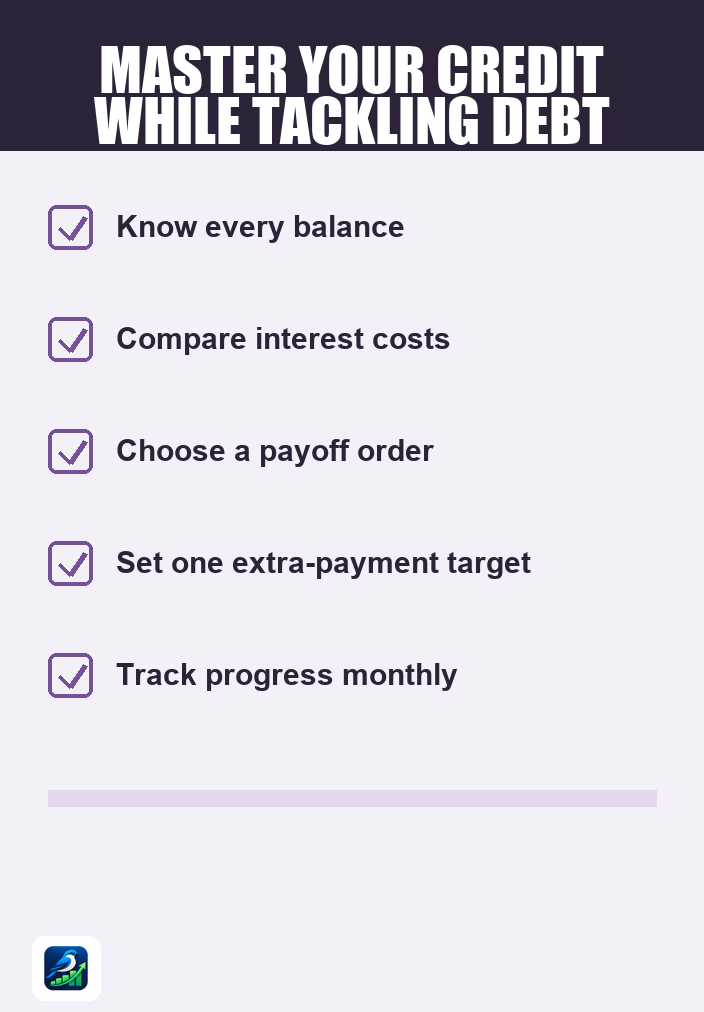
Understanding Credit Monitoring in the Context of Debt Repayment
For many individuals working to pay off debt, maintaining a close eye on their credit is vital. Effective credit monitoring can help you stay informed about your financial status, track your progress, and avoid pitfalls that could further complicate your financial situation. This checklist will guide you through essential steps for effective credit monitoring while you focus on reducing your debt.
1. Know Your Credit Report Basics
Your credit report is a detailed record of your credit history, including your borrowing and repayment activities. Understanding its components is crucial:
- Personal Information: Your name, address, and social security number.
- Account Information: Details about your credit accounts, including credit cards, loans, and payment history.
- Public Records: Bankruptcies, liens, and judgments against you.
- Inquiries: A record of who has accessed your credit report.
Familiarize yourself with these sections to better understand what creditors see when they evaluate your creditworthiness.
2. Obtain Your Credit Report
Start by obtaining a copy of your credit report. In the U.S., you are entitled to one free report from each of the three major credit bureaus each year. Here’s how to do it:
- Visit the official website for free credit reports.
- Request reports from all three bureaus—Experian, TransUnion, and Equifax.
- Review each report carefully for accuracy.
Look for any discrepancies, such as incorrect account details or unfamiliar accounts, which could indicate identity theft or errors that may affect your credit score.
3. Monitor Your Credit Score Regularly
Your credit score is a numerical representation of your creditworthiness and is affected by various factors, including payment history, credit utilization, length of credit history, and types of credit. Regular monitoring can help you:
- Track improvements as you pay down debt.
- Identify any drops in score that may signal issues.
- Understand how your debt repayment strategy impacts your score.
Consider using a credit monitoring service or app to receive regular updates on your score, alerts for significant changes, and insights into factors affecting it.
4. Set Up Alerts for Key Changes
Setting up alerts can keep you informed about changes to your credit report, such as:
- New accounts opened in your name.
- Late payments reported by creditors.
- Changes in your credit score.
These alerts can provide early warnings about potential issues, allowing you to act swiftly if necessary.
5. Understand the Impact of Debt on Credit
When paying off debt, it’s important to understand how various strategies affect your credit. Here are some key points:
- Debt Consolidation: Combining multiple debts into one loan may lower your monthly payments and simplify repayment. However, it could affect your credit utilization ratio. Aim for a lower utilization rate to improve your score.
- Debt Management Plans: These involve working with a credit counseling agency to create a repayment plan. While they can help you manage payments, they might also be noted on your credit report, which could affect your score.
- Debt Settlement: Settling debts for less than you owe can impact your score negatively. While it may relieve some financial burden, the settlement can stay on your credit report for up to seven years.
- Bankruptcy: This is a more severe option that can significantly damage your credit score for up to ten years. Consider consulting with a professional before taking this step.
Knowing how these strategies interact with your credit can help you make informed decisions.
6. Develop a Debt Repayment Strategy
As you monitor your credit, a solid repayment strategy is essential. Here are some popular methods:
- The Snowball Method: Pay off your smallest debts first, which can provide a psychological boost as you eliminate accounts.
- The Avalanche Method: Focus on paying off debts with the highest interest rates first, saving you money in the long run.
Choose a method that suits your personality and financial situation, and stick to it. Update your credit report and score regularly to see how your strategy is affecting your overall financial health.
7. Review Your Credit Utilization Ratio
Your credit utilization ratio is the percentage of your total available credit that you are currently using. A lower ratio is generally better for your credit score. Here’s how to manage it:
- Aim to keep your ratio below 30%. This means if you have a credit limit of $10,000, try not to carry a balance higher than $3,000.
- Pay down existing balances to improve your utilization ratio.
- Consider requesting a credit limit increase to lower your ratio, but only if you can manage your spending.
8. Protect Against Identity Theft
While you’re focused on debt repayment, it’s crucial to safeguard your credit from potential identity theft. Here are some protective measures:
- Use strong, unique passwords for your accounts.
- Enable two-factor authentication where possible.
- Review your statements regularly for unauthorized charges.
- Consider placing a fraud alert or credit freeze on your accounts if you suspect identity theft.
Next Steps for Effective Credit Monitoring
Effective credit monitoring while paying off debt requires diligence and an understanding of your financial landscape. Start by obtaining your credit reports and setting up alerts. Develop a repayment strategy that works for you, and regularly review your credit score and utilization ratio. Protect against identity theft to ensure that your hard work pays off without unexpected setbacks.
By following this checklist, you can stay informed and proactive in your journey toward financial health, ultimately leading to a stronger credit profile as you pay down debt.



















