Understanding Your Credit Recovery Journey
Recovering from debt is a significant process that requires careful planning, organization, and a clear understanding of your options. While it’s commendable to take steps towards financial recovery, it’s essential to avoid common pitfalls that can derail your efforts. This article will delve into these pitfalls and provide practical advice to help you navigate your credit recovery journey effectively.
1. Ignoring Your Credit Report
Your credit report is a crucial tool in your credit recovery journey. Ignoring it can lead to missed opportunities for improvement and a lack of understanding of your current standing.
Why It Matters
- Identify Errors: Regularly checking your credit report can help you spot inaccuracies that could negatively impact your score.
- Understand Your Credit Mix: Knowing the types of credit accounts you have can inform your recovery strategy.
- Track Progress: Monitoring your credit report allows you to see how your actions affect your score over time.
Steps to Take
- Request a free copy of your credit report from authorized sources.
- Review it for errors or outdated information.
- Dispute any inaccuracies promptly.
2. Overlooking Budgeting
A budget is a foundational aspect of managing debt. Skipping this step can lead to overspending and hinder your recovery efforts.
Creating a Budget
- Track Income: List all sources of income to understand your financial inflow.
- List Expenses: Categorize fixed and variable expenses to see where your money goes.
- Set Priorities: Identify essential expenses and determine areas where you can cut back.
Practical Tips
- Use budgeting apps or spreadsheets to keep track of your finances.
- Review and adjust your budget monthly based on your spending patterns.
3. Confusing Debt Relief Options
Many individuals mistakenly conflate debt consolidation, management, and settlement. Understanding the differences is crucial to choosing the right path for your situation.
Debt Consolidation vs. Debt Management vs. Debt Settlement
- Debt Consolidation: This involves combining multiple debts into a single loan, often with a lower interest rate. It simplifies payments but does not reduce the overall amount owed.
- Debt Management: A structured plan often facilitated by a credit counseling agency. It aims to help you repay your debts over time, typically with negotiated lower interest rates.
- Debt Settlement: This involves negotiating with creditors to pay less than what you owe. It can severely impact your credit score and is not suitable for everyone.
Making an Informed Choice
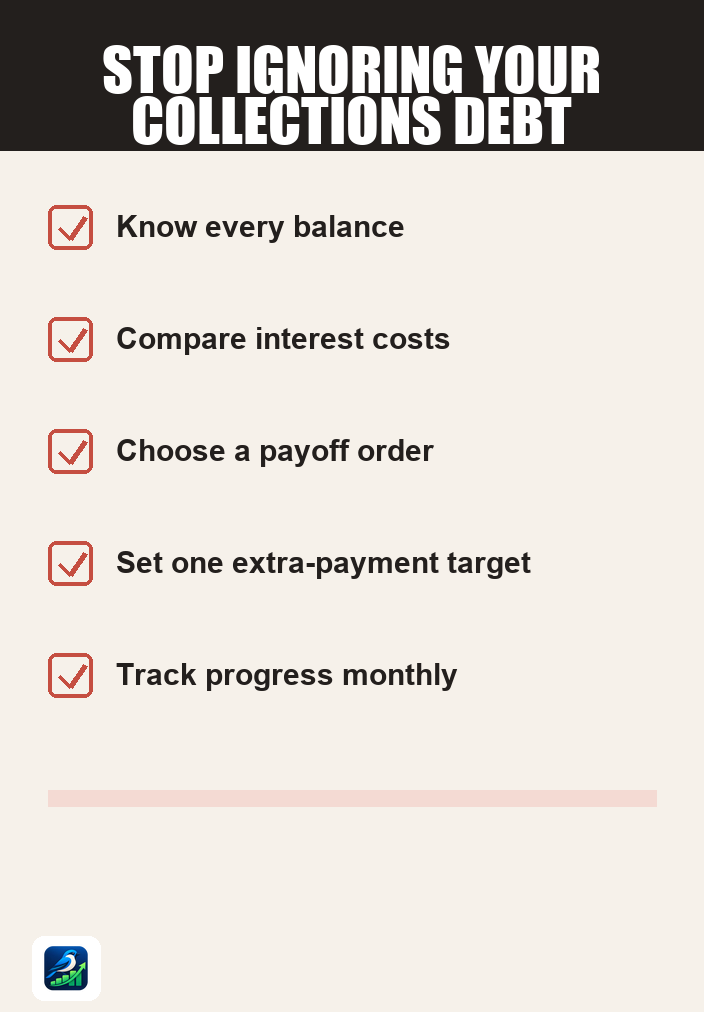
- Assess your total debt and financial situation.
- Research each option and consider how it aligns with your long-term financial goals.
- Consult with a financial advisor or credit counselor for personalized guidance.
4. Making Late Payments
Late or missed payments can significantly impact your credit score and overall recovery efforts. Staying on top of payments is vital.
Strategies to Avoid Late Payments
- Set Up Reminders: Use calendar alerts or apps to remind you of due dates.
- Automate Payments: Consider setting up automatic payments for ongoing bills to ensure timely payment.
- Prioritize Payments: If you’re struggling, focus on minimum payments for essential debts first.
5. Relying on Quick Fixes
The allure of quick fixes can lead you down a precarious path. Be wary of services that promise immediate debt relief or significant credit score boosts.
Recognizing Red Flags
- Upfront Fees: Be cautious of companies that require payment before providing services.
- Guaranteed Results: No one can guarantee specific outcomes in debt recovery.
- Pressure Tactics: Avoid companies that rush you into decisions without proper consideration.
Finding Legitimate Help
- Research organizations thoroughly before engaging their services.
- Check reviews and ask for references.
- Look for accredited non-profit credit counseling agencies for help.
6. Neglecting Financial Education
Continuing to learn about personal finance can empower you in your recovery journey. Neglecting this aspect can leave you ill-equipped to handle future financial challenges.
Investing in Your Financial Knowledge
- Read Books: Explore personal finance literature to gain insights and strategies.
- Attend Workshops: Look for local or online workshops focused on debt management and financial literacy.
- Follow Reputable Blogs: Stay updated on best practices and tips from trusted financial sources.
Next Steps for Your Credit Recovery
Taking charge of your credit recovery journey requires diligence and an informed approach. Start by reviewing your credit report, creating a budget, and understanding your debt relief options. Avoid the common pitfalls mentioned above, and prioritize your financial education.
Remember, recovery is a journey. Be patient with yourself, stay organized, and seek help when needed. With the right strategies and mindset, you can navigate the path to financial stability.