
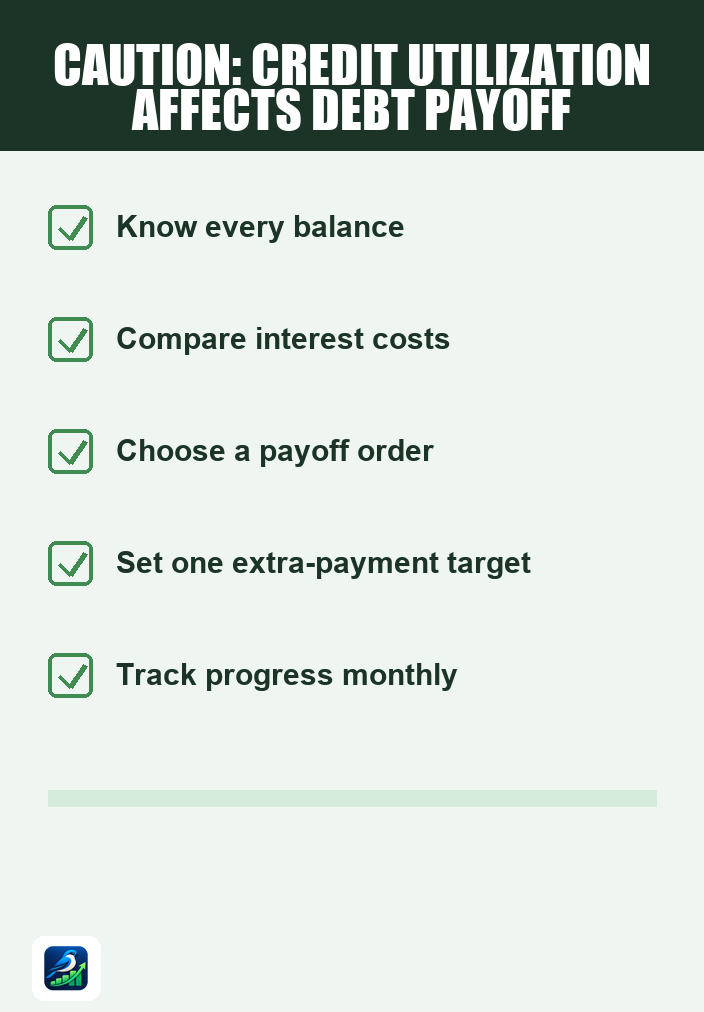
Understanding Credit Utilization in Debt Management
Many adults dealing with multiple debts often wonder if managing their credit utilization can aid in their journey to financial recovery. The short answer is yes, but it’s important to grasp the nuances. Credit utilization is a key factor in your credit score and can significantly impact your overall financial health. By understanding and managing it effectively, you can create a positive ripple effect as you work on paying off your debts.
What is Credit Utilization?
Credit utilization refers to the ratio of your current credit card balances to your total credit limits. It’s typically expressed as a percentage. For instance, if you have a total credit limit of $10,000 and a balance of $3,000, your credit utilization would be 30%.
Generally, financial experts recommend keeping your credit utilization below 30%. A lower utilization rate can positively affect your credit score, making it easier to secure favorable terms for loans or other credit products in the future.
How Credit Utilization Affects Debt Repayment
When you’re managing multiple debts, your credit utilization can have several implications:
- Credit Score Impact: A lower credit score can lead to higher interest rates on loans and credit cards. Conversely, a higher score may allow for better repayment options and lower interest rates.
- Debt Consolidation Opportunities: If you maintain a good credit score through effective utilization, you may qualify for consolidation loans with better terms.
- Negotiating Power: Creditors may be more willing to negotiate terms if they see you have a responsible credit utilization pattern, as it indicates that you manage your debts effectively.
Strategies for Managing Credit Utilization
Here are practical steps to help manage your credit utilization while paying off multiple debts:
1. Assess Your Current Situation
Before making changes, take a close look at your current credit utilization across all accounts. List your credit limits and outstanding balances to calculate your overall utilization percentage. This will provide a baseline for your management strategy.
2. Pay Down Existing Balances
One of the most straightforward ways to improve your credit utilization is to pay down existing debts. Focus on high-interest debts first, as this can also reduce the overall cost of borrowing. Make a plan to allocate extra funds toward paying off these balances to lower your utilization ratio.
3. Increase Credit Limits
If you have a good payment history with your creditors, consider requesting a credit limit increase. This can help reduce your credit utilization ratio. However, be cautious—only do this if you can manage the increased credit responsibly and not incur additional debt.
4. Keep Old Accounts Open
Closing old credit accounts can negatively impact your credit utilization. Even if you’re not using certain credit cards, keeping them open can help maintain a higher total credit limit, which can lower your utilization ratio.
5. Monitor Your Transactions
Stay aware of your spending habits. Regularly monitor your credit card transactions to avoid overspending and ensure that you remain within your budget. Consider setting up alerts for when you approach 30% of your credit limit to help manage your utilization actively.
Understanding Debt Management Options
While managing credit utilization is essential, it’s also crucial to understand the broader context of your debts. Here are some common strategies people use to manage or pay off multiple debts:
- Debt Consolidation: This involves combining multiple debts into a single loan, often with a lower interest rate. It simplifies payments but can extend the repayment period.
- Debt Management Plans: These plans involve working with a credit counseling agency to negotiate lower interest rates and create a structured repayment plan. While they can be helpful, they may impact your credit score.
- Debt Settlement: This involves negotiating with creditors to settle debts for less than the total owed. While it can reduce overall debt, it can also significantly impact your credit score and may have tax implications.
- Bankruptcy: This is a legal process that can discharge certain debts. However, it has long-lasting effects on your credit score and should be considered a last resort.
Trade-offs to Consider
While managing credit utilization can help in the short term, it’s crucial to consider the trade-offs involved with different debt strategies:
- Time and Commitment: Some methods, like debt consolidation and management plans, require a long-term commitment and may take years to see results.
- Credit Score Impact: While improving credit utilization can enhance your score, other actions, such as debt settlement or bankruptcy, can harm it in the short term.
- Financial Education: Engaging with credit counseling or financial education resources can provide valuable insights, but it takes time and effort to understand and implement new strategies.
Next Steps in Managing Your Debts
As you navigate your journey to pay off multiple debts, consider the following practical next steps:
- Assess your current credit utilization and debts.
- Create a budget that prioritizes debt repayment while keeping an eye on your credit utilization.
- Explore options for increasing your credit limits responsibly.
- Research different debt management strategies and weigh their pros and cons.
- Consider seeking professional advice to determine the best path forward for your situation.
By understanding and managing your credit utilization, you can create a solid foundation for your financial recovery while effectively tackling multiple debts. Remember, every step you take toward managing your debt is a step in the right direction.



















