
Understanding the Importance of Credit Recovery Habits
Building healthy credit habits is vital for financial well-being, especially for those beginning their journey to recover from consumer debt. Establishing these habits not only helps manage existing debt but also sets the foundation for future financial stability. This article outlines essential credit recovery habits for beginners, emphasizing practical steps to foster lasting financial health.
Creating a Comprehensive Budget
The first step in recovering from debt is understanding where your money goes. A budget acts as a roadmap for your financial journey.
Steps to Create a Budget
- List Your Income: Include all sources of income, such as wages, side jobs, and any passive income.
- Document Your Expenses: Track fixed expenses (rent, utilities) and variable expenses (groceries, entertainment) for at least a month.
- Compare Income to Expenses: Subtract your total expenses from your income to see if you have a surplus or a deficit.
- Adjust Accordingly: If expenses exceed income, look for areas to cut back, such as dining out or subscription services.
Using budgeting apps or spreadsheets can help streamline this process. The goal is to align your spending with your financial goals, prioritizing debt repayment where necessary.
Understanding Your Credit Report
Your credit report provides a snapshot of your financial behavior. Knowing what’s in it can guide your recovery strategy.
How to Obtain and Review Your Credit Report
- Get Your Report: You are entitled to one free credit report per year from each of the major credit reporting agencies.
- Check for Errors: Look for inaccuracies such as incorrect account information or late payments that don’t belong to you.
- Understand Your Score: Familiarize yourself with the factors that affect your credit score, including payment history and credit utilization.
If you find errors, dispute them promptly. Correcting inaccuracies can positively impact your credit standing.
Establishing a Debt Repayment Strategy
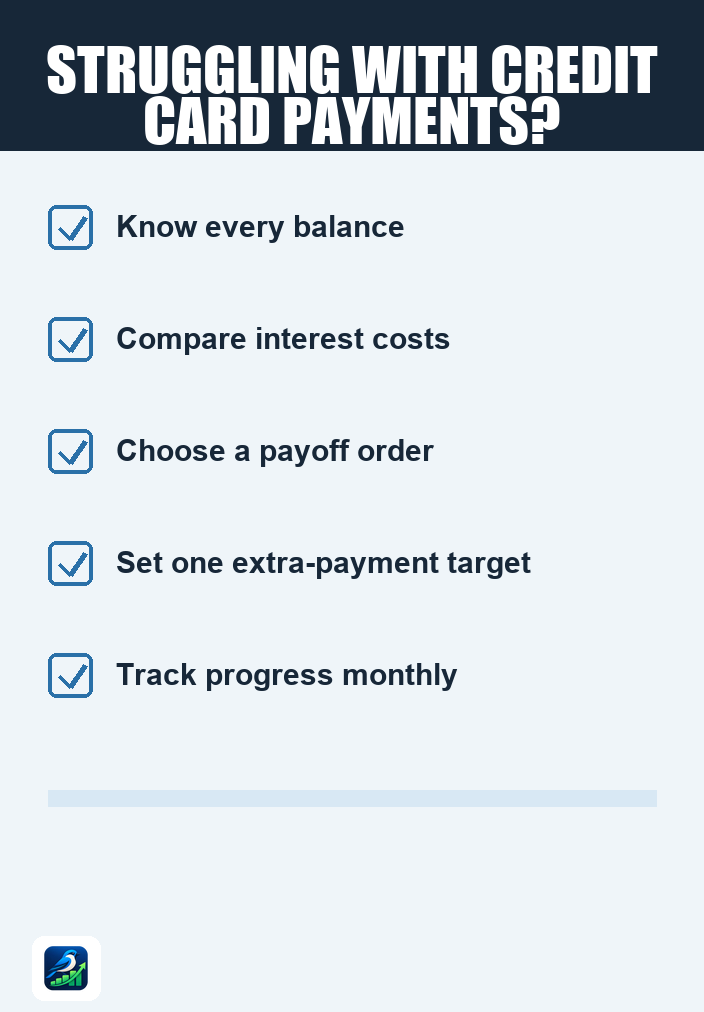
There are several methods to tackle debt, and choosing the right one can significantly affect your recovery journey.
Popular Debt Repayment Methods
- Debt Snowball Method: Focus on paying off your smallest debts first to build momentum and motivation.
- Debt Avalanche Method: Prioritize debts with the highest interest rates to minimize overall interest paid.
Choose a method that resonates with your personality and financial situation. Staying committed to your chosen strategy is crucial for progress.
Exploring Debt Consolidation and Management Options
Debt consolidation and management can provide relief for those overwhelmed by multiple debts. However, these options come with their pros and cons.
Understanding Debt Consolidation
Debt consolidation involves combining multiple debts into a single loan, often with a lower interest rate. This can simplify payments and potentially reduce monthly expenses.
Debt Management Plans
A debt management plan (DMP) is typically offered by credit counseling agencies. It involves negotiating lower interest rates and fees with creditors while making a single monthly payment to the agency.
While both options can be beneficial, they require careful consideration:
- Fees: Be aware of any fees associated with these services.
- Credit Impact: Understand how these options can affect your credit score.
- Commitment: Be prepared for a commitment to a structured repayment plan.
Maintaining Positive Financial Habits
Once you’ve established a plan, the next step is to maintain positive financial habits.
Essential Financial Habits to Adopt
- Pay Your Bills on Time: Set reminders or automate payments to avoid late fees and negative credit impacts.
- Save for Emergencies: Build a small emergency fund to avoid relying on credit for unexpected expenses.
- Limit New Debt: Be cautious about taking on new debt during your recovery phase, as this can undermine your efforts.
Consistency is key. Regularly review your financial progress and adjust your strategies as necessary.
Seeking Professional Guidance When Necessary
For some, navigating debt recovery can be overwhelming. If you find yourself struggling, consider seeking professional advice.
When to Consult a Professional
- Complex Financial Situations: If you have multiple creditors or large amounts of debt, professional guidance may be beneficial.
- Legal and Tax Implications: Understanding the legal repercussions of debt settlement or bankruptcy requires expert advice.
Consulting a certified financial planner or a credit counselor can provide tailored advice that takes your specific situation into account.
Next Steps for Effective Credit Recovery
Embarking on a credit recovery journey requires dedication and a proactive approach. Start by creating a budget, reviewing your credit report, and establishing a debt repayment strategy. Explore consolidation or management options if necessary, but maintain an awareness of their implications. Cultivate positive financial habits and seek professional guidance when needed. Remember, recovery takes time, but with the right habits in place, you can foster lasting financial health.



















