
Understanding Credit Utilization and Its Importance
Credit utilization refers to the amount of credit you’re using compared to your total available credit limit. It’s a vital factor in determining your credit score. Lenders often look at this ratio to assess your creditworthiness. A lower utilization rate tends to be better for your credit score, while high utilization can signal financial distress or risk to potential lenders.
When you’re working to pay off credit card debt, managing your credit utilization becomes especially important, particularly when you’re on a tight budget. Balancing the need to reduce debt while maintaining a healthy credit score can feel like a juggling act, but with the right strategies, it’s possible to navigate this challenge effectively.
Strategies for Managing Credit Utilization on a Tight Budget
Here are several practical tips to help you manage your credit utilization while paying off credit card debt:
1. Create a Budget
The first step to managing your finances is to create a realistic budget that accounts for your income, necessary expenses, and debt repayments. This will help you identify how much you can allocate toward paying down your credit card debt each month.
- List Your Income: Include all sources of income, such as salary, side jobs, or any benefits.
- Track Your Expenses: Categorize your spending into essentials (like rent, utilities, groceries) and non-essentials (like dining out, entertainment).
- Identify Savings Opportunities: Look for areas where you can cut back to increase your debt repayment amount.
2. Prioritize High-Interest Debt
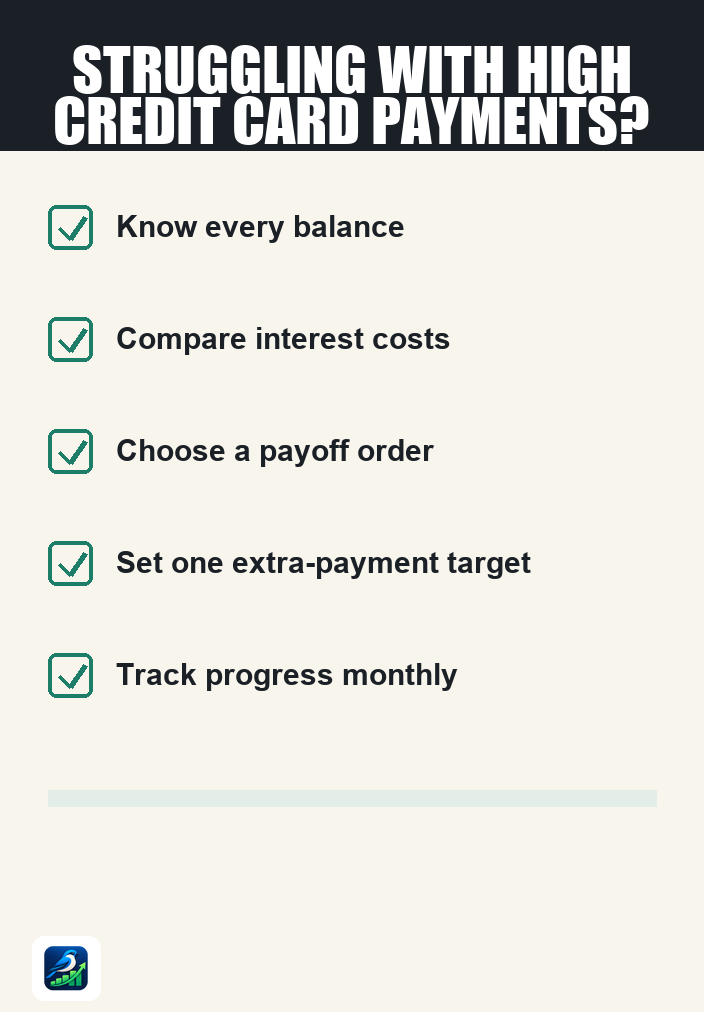
When paying off credit card debt, focus on high-interest cards first. This approach not only reduces your total debt faster but can also help lower your credit utilization more effectively.
- List Your Credit Cards: Organize them by interest rates.
- Allocate Extra Payments: Direct any extra funds toward the card with the highest interest rate, while making minimum payments on others.
3. Monitor Your Credit Utilization Ratio
Keep a close eye on your credit utilization ratio. Aim to keep it below 30%. You can calculate your ratio by dividing your total credit card balances by your total credit limits.
For example, if you have two credit cards with limits of $1,000 each and balances of $700 and $200, your utilization ratio would be:
($700 + $200) / ($1,000 + $1,000) = 0.45 or 45%
In this case, you would want to reduce your balances to lower your utilization ratio.
4. Make Payments More Frequently
If possible, consider making payments more frequently than once a month. This approach can help reduce your outstanding balance and improve your credit utilization ratio.
- Biweekly Payments: If you receive a paycheck every two weeks, consider making a payment right after you get paid.
- Small, Regular Payments: Even small payments can help lower your balance and utilization ratio over time.
5. Avoid New Debt
While it may be tempting to open new credit accounts to increase your overall credit limit, doing so can lead to additional debt and higher utilization ratios. Focus on paying down existing debt before considering new credit.
6. Consider Balance Transfers Carefully
Balance transfer credit cards can offer lower interest rates for transferring existing debt. This can be a useful strategy for managing high-interest credit card debt. However, weigh the pros and cons carefully.
- Fees: Some balance transfer cards may have fees that could offset savings.
- Limits: Ensure you can manage the new payment amounts comfortably.
7. Set Up Alerts
Use alerts to keep track of your credit card balances and payment due dates. Many banks offer mobile apps that allow you to set reminders for payments and notifications for when you’re approaching your credit limit.
8. Seek Professional Guidance
If you find yourself struggling to manage your credit card debt, consider reaching out to a credit counseling service. They can provide you with personalized strategies and help you understand your options for debt management, consolidation, or settlement.
Understanding Your Options
If you’re considering debt relief options, it’s essential to understand the differences:
- Debt Consolidation: This involves combining multiple debts into a single loan, often with a lower interest rate. While this can simplify payments, it may not reduce the total amount owed.
- Debt Management Plans: A credit counseling agency can help you create a plan to pay off your debts over time. This typically involves negotiating lower interest rates with creditors.
- Debt Settlement: This involves negotiating with creditors to settle your debt for less than what you owe. While this can reduce your debt, it may have a negative impact on your credit score.
- Bankruptcy: This is a legal process that can help eliminate or restructure debt but can significantly affect your credit score and financial future.
Each option comes with its own benefits and drawbacks, so it’s crucial to assess your situation carefully and seek professional guidance if needed.
Next Steps for Managing Your Credit Utilization
Managing credit utilization while paying off credit card debt on a tight budget requires careful planning and discipline. Here’s a quick recap of steps you can take:
- Create a detailed budget.
- Prioritize paying off high-interest debt.
- Monitor your credit utilization ratio closely.
- Make payments more frequently if possible.
- Avoid incurring new debt.
- Consider balance transfers wisely.
- Set up alerts for balances and due dates.
- Seek professional guidance if necessary.
By following these strategies, you can work on reducing your credit card debt while maintaining a healthy credit utilization ratio, helping you achieve your financial goals more effectively.



















