
Understanding the Necessity of Rebuilding Credit Recovery Habits
When it comes to managing consumer debt and improving your credit standing, developing effective recovery habits is crucial. However, it’s essential to approach this process without compromising your overall financial stability. Whether you’re in the early stages of debt recovery or looking to refine your existing practices, understanding the right strategies can make a significant difference.
Assess Your Current Financial Situation
The first step in rebuilding your credit recovery habits is to take a clear-eyed look at your current financial situation. This involves assessing your income, expenses, debts, and credit history. Knowing where you stand will help you make informed decisions moving forward.
Track Your Income and Expenses
Creating a budget is a foundational step in managing your finances. Start by tracking your monthly income and all your expenses. This isn’t just about knowing how much money you make and spend; it’s about understanding your financial habits.
- List Fixed Expenses: Rent, utilities, insurance, and minimum debt payments.
- Identify Variable Expenses: Groceries, entertainment, and discretionary spending.
- Calculate Your Net Income: Subtract your total expenses from your total income.
Once you have a clear budget, identify areas where you can cut back. Even small changes can free up cash for debt repayment or savings.
Understanding Your Credit Report
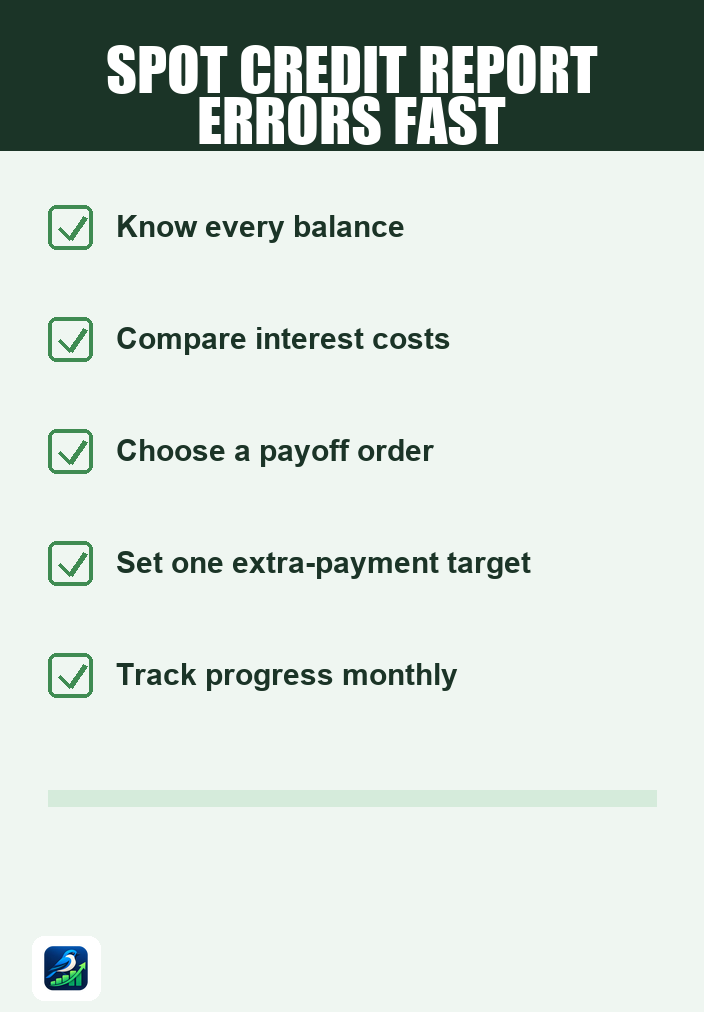
Your credit report provides insights into your creditworthiness and can help you identify areas for improvement. Obtain a free copy of your credit report from authorized sources and review it thoroughly.
Key Aspects to Examine
- Payment History: Ensure all payments are reported accurately. Late payments can significantly impact your score.
- Credit Utilization: Aim to keep your credit utilization ratio below 30%. This means if you have a credit limit of $10,000, try not to carry a balance over $3,000.
- Account Types: A mix of credit types (credit cards, installment loans) can positively affect your score.
If you spot inaccuracies, dispute them with the credit bureaus to ensure your credit report reflects your true financial history.
Building New Financial Habits
Once you have assessed your financial situation and understood your credit report, it’s time to build positive financial habits. These habits will not only help you recover from debt but also ensure long-term financial stability.
Establish a Routine for Debt Payments
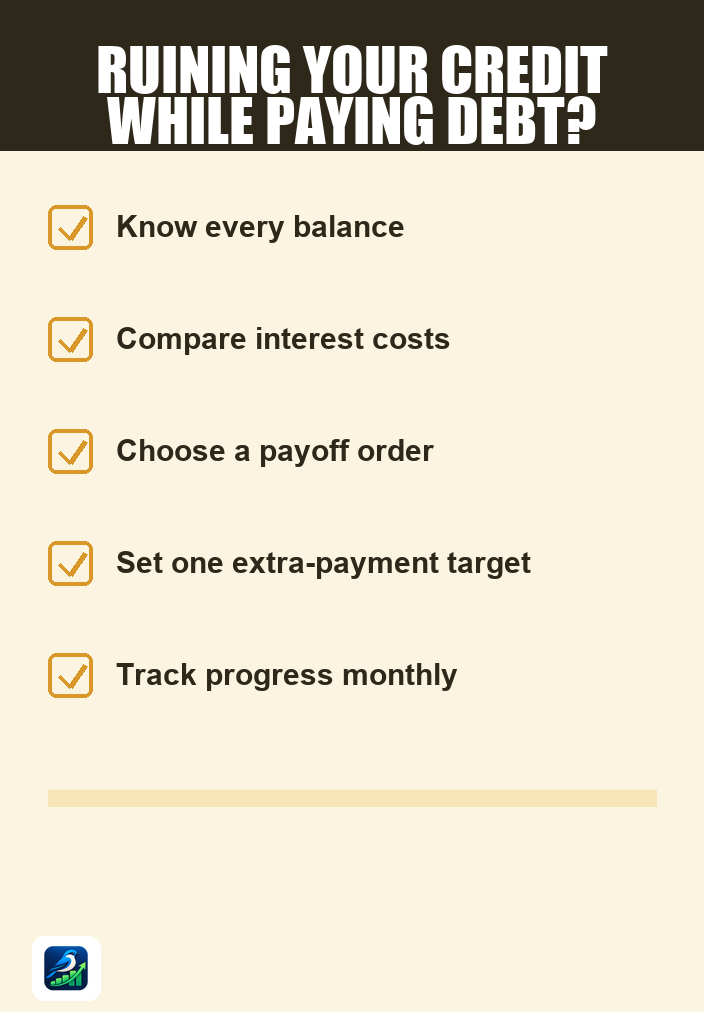
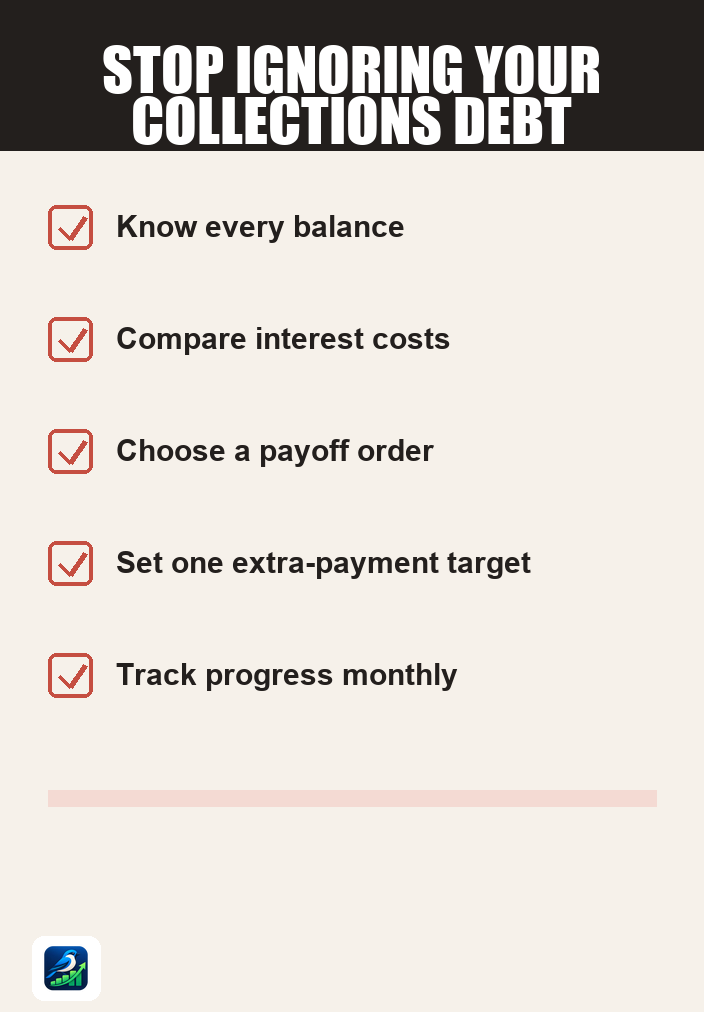
Consistency is key when managing debt. Set up a schedule for making payments. Consider the following:
- Automate Payments: Whenever possible, automate your minimum payments to avoid late fees and keep your credit report healthy.
- Prioritize High-Interest Debt: Focus on paying off high-interest debts first, as they cost you more over time.
Explore Debt Management Options
As you rebuild your habits, you might consider various debt management options. Each has its own trade-offs:
- Debt Consolidation: This involves taking out a new loan to pay off existing debts, often simplifying payments but potentially extending your repayment term.
- Debt Management Plans (DMP): Working with a credit counseling agency, you can create a structured payment plan. While this can lower interest rates, it may affect your credit score initially.
- Debt Settlement: This involves negotiating with creditors to pay less than owed. It can harm your credit score and isn’t a guaranteed solution.
- Bankruptcy: As a last resort, bankruptcy can provide relief but has long-term repercussions on your credit history.
Evaluate each option carefully against your financial goals and circumstances.
Maintain Your Financial Stability
Rebuilding credit recovery habits should not come at the expense of your overall financial stability. It’s important to balance debt repayment with other financial responsibilities.
Set Aside an Emergency Fund
Having savings can prevent you from falling back into debt. Aim to save at least a small amount each month, even if it’s just a few dollars. Over time, this can help you cover unexpected expenses without relying on credit.
Reassess Your Financial Goals
As you rebuild your credit habits, keep your long-term financial goals in mind. These might include buying a home, saving for retirement, or funding education. Regularly review and adjust your goals as your financial situation evolves.
Next Steps for Your Credit Recovery Journey
Rebuilding your credit recovery habits is an ongoing process that requires patience and commitment. Here are a few practical next steps you can take:
- Set up a budgeting tool or app to track your finances.
- Obtain and review your credit report for discrepancies.
- Choose a consistent payment strategy for your debts.
- Consider professional financial advice if needed.
- Start an emergency fund, even if it’s a small amount.
By focusing on these steps, you can rebuild your credit recovery habits while safeguarding your financial stability. Remember, the goal is to create sustainable practices that support your long-term financial health.