
Understanding Credit Rebuilding After Debt
Rebuilding your credit after facing debt challenges can feel overwhelming, but there are effective strategies you can utilize. You might be wondering whether to tackle this on your own or seek professional assistance. Both DIY strategies and professional help have their pros and cons, and your choice will depend on your unique situation. In this article, we’ll explore both options, providing you with practical advice to help you make an informed decision.
DIY Strategies for Rebuilding Credit
Taking the DIY route can be empowering and cost-effective. Here are some actionable steps you can implement yourself:
1. Review Your Credit Reports
Your first step is to obtain and review your credit reports. You can get one free report annually from each of the major credit bureaus. Look for:
- Errors or inaccuracies
- Old debts that have been paid
- Accounts that don’t belong to you
If you find inaccuracies, dispute them with the credit bureaus. Correcting these errors can positively impact your credit score.
2. Make Payments on Time
Timely payments are crucial for rebuilding credit. Set up reminders or automatic payments for bills to avoid missed deadlines. Consider prioritizing:
- Credit card bills
- Loans
- Utilities
Even small payments made on time can boost your credit score over time.
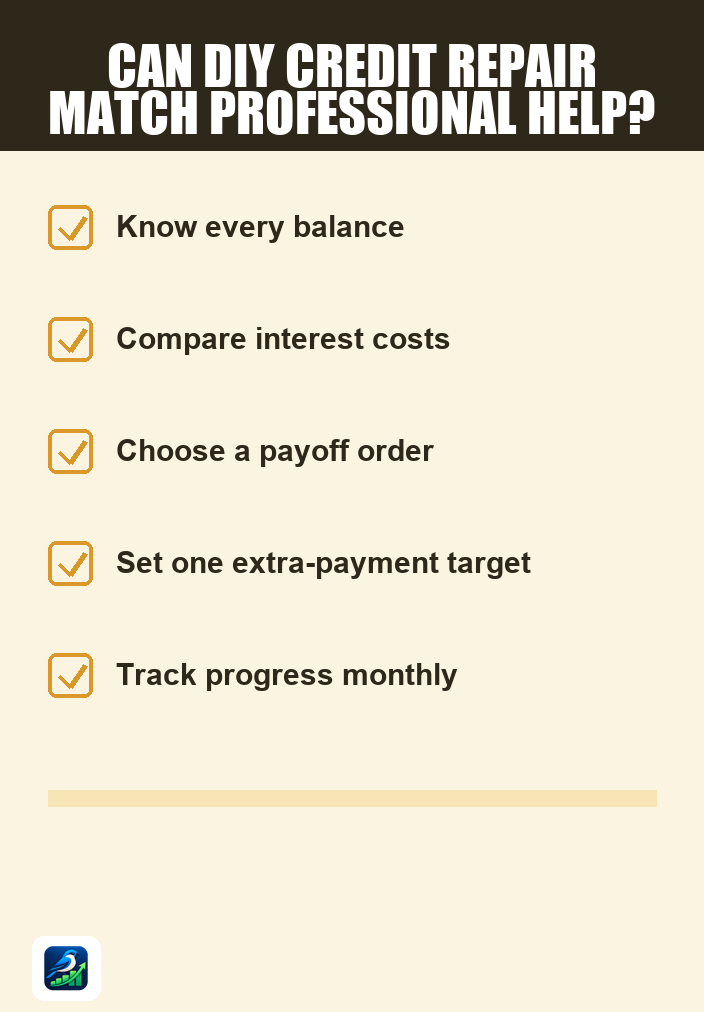
3. Reduce Credit Card Balances
If you have outstanding credit card debt, focus on reducing those balances. Aim for a utilization rate below 30%. Here are some strategies:
- Pay more than the minimum payment each month.
- Use the snowball or avalanche method to pay off debts systematically.
- Consider a balance transfer to a card with a lower interest rate (if feasible).
4. Diversify Your Credit Mix
Having a mix of credit types (like installment loans and revolving credit) can boost your score. However, take care not to open unnecessary accounts just for the sake of variety. Instead, consider:
- Applying for a secured credit card to rebuild credit.
- Taking out a small personal loan if you can manage the payments.
5. Stay Informed and Educated
Knowledge is power when it comes to credit. Regularly educate yourself about how credit works. Resources are widely available online, including guides on credit scoring models and best practices for managing debt.
When to Consider Professional Help
While DIY efforts can be effective, there are instances where professional guidance may be beneficial. Here are some scenarios to consider:
1. Overwhelming Debt Levels
If your debts are beyond your control or you feel overwhelmed, seeking a credit counseling service may provide clarity and direction. These services often offer:
- Budgeting assistance
- Debt management plans
- Negotiations with creditors
2. Complex Financial Situations
If you’re facing multiple creditors or complicated financial issues, a professional may help navigate these challenges. They can provide tailored advice based on your situation.
3. Legal Considerations
If you’re considering bankruptcy or other legal options, consulting a legal professional is essential. They can help you understand the implications and guide you through the process.
Understanding Debt Relief Options
Many people confuse debt relief strategies, so it’s important to clarify the differences:
- Debt Consolidation: Combining multiple debts into a single loan, often at a lower interest rate. This can make payments more manageable but doesn’t reduce the total debt owed.
- Debt Management: Working with a credit counseling agency to create a structured repayment plan, typically involving lower interest rates negotiated with creditors.
- Debt Settlement: Negotiating with creditors to pay less than the full amount owed. This can negatively impact your credit score and isn’t suitable for everyone.
- Bankruptcy: A legal process that can eliminate or restructure debts. It has significant long-term effects on your credit but may be necessary for severe financial distress.
Trade-offs: DIY vs. Professional Help
When deciding between DIY strategies and professional assistance, consider the following trade-offs:
- Cost: DIY methods are generally free or low-cost, while professional services may require fees.
- Time and Effort: DIY can be time-consuming and requires discipline, whereas professionals can expedite the process.
- Personalization: Professionals can provide tailored advice, while DIY methods may lack specific guidance for your situation.
Practical Next Steps
Rebuilding credit after debt is a journey that takes time and effort. Whether you choose to go the DIY route or seek professional help, the key is to remain proactive and informed. Here are some next steps:
- Start by reviewing your credit reports.
- Implement a budgeting plan to manage your finances.
- Consider your debt relief options and evaluate which suits your needs best.
- If overwhelmed, reach out to a credit counseling agency for advice.
Remember, rebuilding credit is a gradual process, but with dedication and the right approach, you can regain control of your financial future.



















