
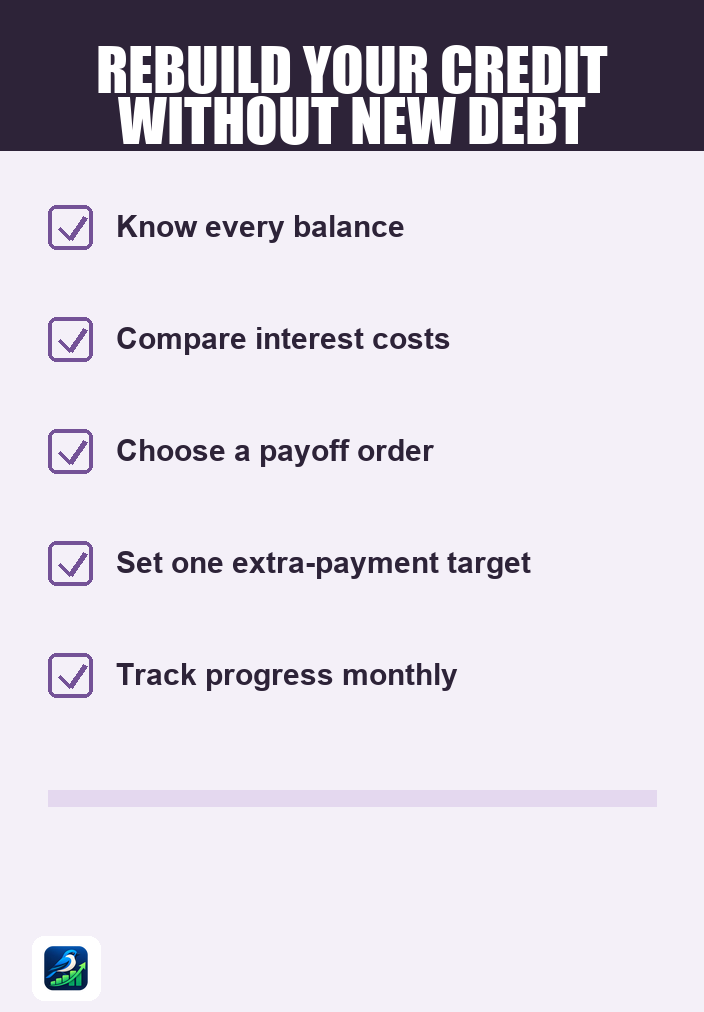
Understanding Credit Rebuilding After Debt
Rebuilding your credit after facing debt challenges can feel daunting, especially when you’re trying to avoid overspending on new credit lines. It’s essential to approach this process thoughtfully and strategically. The good news is that with the right steps, you can improve your credit score without falling into the trap of excessive borrowing.
Assessing Your Current Financial Situation
The first step in rebuilding your credit is understanding where you stand. Start by obtaining your credit reports from the major credit bureaus. These reports will provide insight into your credit history, including outstanding debts, payment history, and any accounts in collections.
Steps to Assess Your Credit
- Gather Your Credit Reports: Request your credit reports from all three major credit bureaus. You are entitled to one free report annually from each bureau.
- Review for Accuracy: Carefully check for any inaccuracies or discrepancies. Dispute any errors you find, as these can negatively impact your score.
- Identify Areas for Improvement: Look for negative items that are dragging down your score, such as late payments, high credit utilization, or accounts in collections.
Creating a Budget to Manage Existing Debt
Before seeking new credit, it’s crucial to have a solid budget in place to manage your existing debts effectively. This will not only help you avoid overspending but also demonstrate responsible financial behavior, which is beneficial for your credit score.
Tips for Budgeting
- Track Your Income and Expenses: Use budgeting tools or apps to get a clear picture of your cash flow.
- Prioritize Debt Payments: Focus on paying down high-interest debts first while making minimum payments on others.
- Set Aside Savings: Allocate a portion of your budget for emergencies to avoid relying on credit cards in the future.
Understanding Different Credit Options
Once you have a handle on your budget and current debts, you may consider rebuilding your credit. However, it’s essential to understand the different options available and their potential impacts.
Types of Credit Lines
- Secured Credit Cards: These require a cash deposit that serves as your credit limit. They are often easier to obtain and can help rebuild credit if used responsibly.
- Credit Builder Loans: These loans are designed specifically for those looking to improve their credit score. Payments are reported to credit bureaus, helping to establish a positive payment history.
- Unsecured Credit Cards: While these offer more flexibility, they can be tempting to overspend with, especially if you’re still working to manage your debts.
Building Credit Without Overspending
To truly rebuild your credit, you must use new credit lines responsibly. Here are some strategies to help you manage new credit without overspending:
Practical Strategies
- Set a Spending Limit: Decide on a monthly spending cap that fits within your budget before using any new credit card.
- Pay Off Balances in Full: Whenever possible, pay off your credit card balance in full each month to avoid interest and demonstrate responsible use.
- Automate Payments: Set up automatic payments for at least the minimum amount to avoid late fees and missed payments.
Maintaining Good Financial Habits
Rebuilding credit is not just about getting new lines of credit; it’s about establishing a pattern of responsible financial behavior. Here are some habits to consider:
Good Financial Practices
- Keep Credit Utilization Low: Aim to use no more than 30% of your available credit limit. Lower utilization rates can positively impact your credit score.
- Monitor Your Credit Regularly: Keep an eye on your credit report and score to track your progress and catch any issues early.
- Limit New Credit Applications: Each hard inquiry can slightly impact your credit score. Be selective about when and how often you apply for new credit.
Alternatives to New Credit Lines
If you’re hesitant to take on new credit, there are alternatives that can help rebuild your credit while avoiding overspending:
Consider These Alternatives
- Become an Authorized User: If you have a trusted friend or family member with a good credit history, consider asking to be added as an authorized user on their account. Their positive payment history can benefit your credit score.
- Use Alternative Data: Some services report non-traditional payment history (like rent or utilities) to credit bureaus, which can help improve your credit profile.
- Engage in Credit Counseling: Professional credit counselors can help you develop a plan to manage debt and improve your credit without taking on new accounts.
Next Steps: How to Move Forward
Rebuilding your credit after debt is a journey that requires careful planning and discipline. Here are some practical next steps:
- Obtain and review your credit reports for errors.
- Create a budget that prioritizes debt repayment and savings.
- Consider secured credit options if you decide to open new credit lines.
- Establish healthy financial habits to support your credit rebuilding efforts.
Remember, rebuilding credit takes time and patience. By making informed decisions and maintaining responsible financial practices, you can improve your credit score without falling into the trap of overspending.



















