
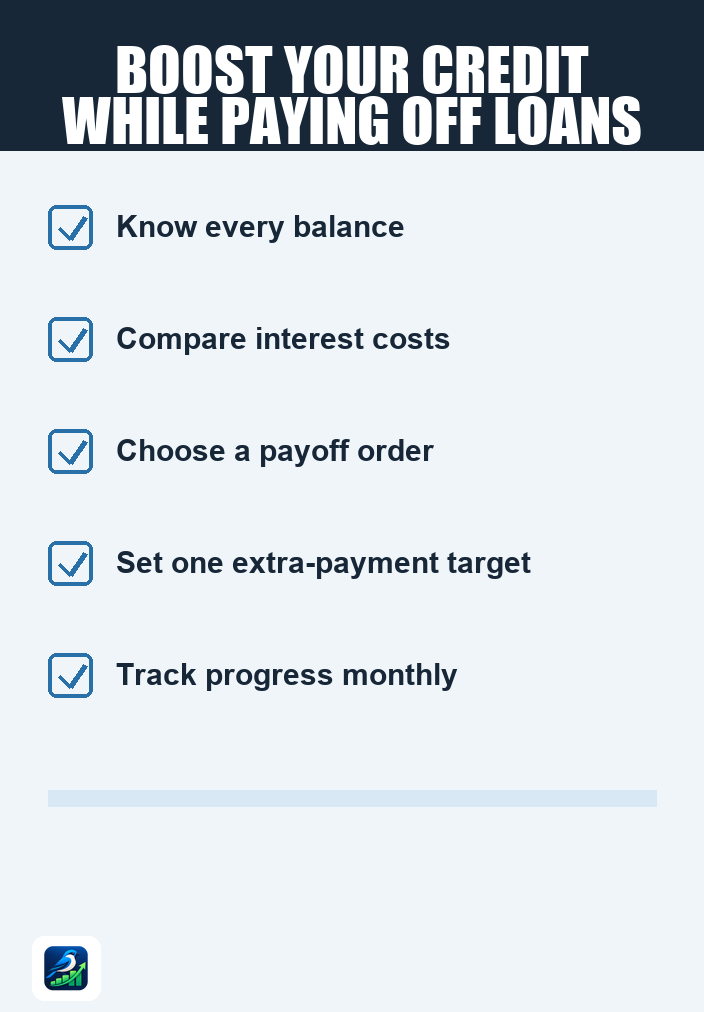
Understanding Credit Score Changes While Paying Off Student Loans
Managing student loans can be a challenging journey, especially when it comes to understanding how payments affect your credit score. As you navigate this process, it’s crucial to recognize both the positive and negative impacts your actions can have on your credit profile. In this article, we’ll explore the intricacies of credit score changes while paying off student loans, providing you with practical insights and actionable steps.
How Your Credit Score Is Calculated
Your credit score is a three-digit number that reflects your creditworthiness. It is influenced by several key factors:
- Payment History (35%): This is the most significant factor. Timely payments boost your score, while missed or late payments can severely damage it.
- Credit Utilization (30%): This refers to the amount of credit you’re using compared to your total available credit. Lower utilization rates are generally better.
- Length of Credit History (15%): A longer credit history can positively impact your score, as it shows lenders a track record of responsible borrowing.
- Types of Credit (10%): Having a mix of credit types, such as revolving accounts and installment loans, can be beneficial.
- New Credit (10%): Opening multiple new accounts in a short period can lower your score due to hard inquiries.
Impact of Paying Off Student Loans on Your Credit Score
When you start paying off your student loans, several changes can occur in your credit score. Here’s a breakdown of the potential impacts:
Positive Impacts
- Improved Payment History: Making consistent, on-time payments will enhance your payment history, leading to a positive impact on your score.
- Reduced Debt Load: As you pay down your loans, your overall debt decreases, which may improve your credit utilization ratio if you have other credit accounts.
- Increased Credit Mix: If your student loans are your only installment debt, paying them off may encourage you to diversify your credit portfolio, which can positively influence your score.
Negative Impacts
- Closing Accounts: If you pay off your student loans and the account is closed, it could reduce the length of your credit history, which might lower your score.
- Credit Utilization Spike: If you have other revolving accounts and pay down your student loans, your overall debt may decrease, but if you increase spending on credit cards, it could negatively affect your utilization ratio.
- Potential for Missed Payments: If you struggle to manage payments or encounter financial difficulties, missed payments can have a severe negative impact on your credit score.
Strategies to Manage Student Loans and Optimize Your Credit Score
To navigate the complexities of student loan repayment while maintaining or improving your credit score, consider the following strategies:
Stay Organized
Keep track of your payment due dates and amounts. Use budgeting tools or apps that can help you manage your finances and remind you of upcoming payments.
Set Up Automatic Payments
Many lenders offer a discount for setting up automatic payments. This not only helps you avoid missed payments but also ensures consistent payment history, positively impacting your credit score.
Consider Loan Consolidation or Refinancing
If you have multiple student loans, consolidating them into a single loan can simplify your payments. However, be aware of potential drawbacks, such as losing borrower benefits associated with federal loans. Refinancing might lower your interest rate but can also lead to the loss of federal protections.
Monitor Your Credit Report
Regularly check your credit report for inaccuracies. If you notice any errors, dispute them with the credit reporting agency. Keeping your report accurate is crucial for maintaining a healthy score.
Be Cautious with New Credit
While it might be tempting to open new lines of credit, consider how this will impact your score. Too many inquiries can lower your score, so weigh the necessity of new credit against your current financial situation.
Consider Professional Guidance
If you’re unsure about how to manage your student loans or how your credit score may be affected, seeking advice from a financial advisor or a credit counselor can provide tailored guidance. They can help you understand your options, including debt management and consolidation strategies, without making promises of debt reduction or score improvement.
Next Steps
Understanding the relationship between student loan payments and your credit score is essential for effective financial management. Start by organizing your loans, setting up automatic payments, and monitoring your credit report. If you find yourself overwhelmed, don’t hesitate to seek professional assistance. By taking these steps, you can navigate your student loan repayment journey while keeping your credit score in check.



















