
Understanding Your Credit Score and Its Impact on Debt Payoff Costs
Your credit score is more than just a number; it plays a significant role in your financial life, especially when it comes to managing and paying off debt. Understanding how various factors of your credit score can affect your debt payoff costs can empower you to make informed financial decisions. In this article, we’ll break down the key components of credit scores and how they relate to the costs associated with different debt repayment strategies.
Key Factors Influencing Your Credit Score
Your credit score is typically calculated using several main factors, each contributing to your overall financial profile. Here’s a breakdown of these factors:
- Payment History (35%): This is the most significant factor. It tracks whether you’ve paid your bills on time.
- Credit Utilization (30%): This measures the ratio of your current credit card balances to your credit limits. A lower utilization ratio is generally better.
- Length of Credit History (15%): This factor considers how long your credit accounts have been active. Longer histories can positively impact your score.
- Types of Credit (10%): A mix of credit types, such as credit cards, mortgages, and installment loans, can be beneficial.
- New Credit (10%): This includes recent credit inquiries and newly opened accounts. Too many inquiries in a short time can negatively affect your score.
How Credit Scores Affect Debt Payoff Costs
When it comes to paying off debt, your credit score can influence various costs and options available to you. Here are some ways your score can impact these aspects:
Interest Rates on Loans
Your credit score significantly affects the interest rates lenders offer you. Generally, higher credit scores qualify for lower interest rates, which can result in substantial savings over time. For example, if you have a score in the excellent range, you might qualify for a loan with a 5% interest rate, while someone with a poor score might face rates of 15% or higher. This difference can lead to dramatically different monthly payments and total costs over the life of the loan.
Debt Consolidation Options
Debt consolidation can be an effective strategy for managing multiple debts. If you have a good credit score, you may qualify for a personal loan with a lower interest rate to consolidate your debts. However, if your credit score is low, you may only have access to high-interest loans or other costly options, which could negate the benefits of consolidation.
Negotiating with Creditors
Your credit score can also affect your ability to negotiate repayment terms directly with creditors. A higher score might give you more leverage, as creditors may be more willing to negotiate lower payments or interest rates with borrowers they believe are more financially responsible. Conversely, if your score is low, creditors may be less inclined to offer favorable terms, potentially increasing your overall debt costs.
Debt Management Plans
If you’re considering a debt management plan (DMP), your credit score may influence the terms of the plan. Some credit counseling agencies may require a minimum credit score to enroll in certain plans. Additionally, while participating in a DMP, your credit score may be negatively impacted due to the closure of accounts, but it can ultimately help you regain control of your finances and improve your score over time.
Understanding Debt Settlement and Bankruptcy
Debt settlement and bankruptcy are two options that can significantly impact your credit score and future financial opportunities.
Debt Settlement
Debt settlement involves negotiating with creditors to pay less than the full amount owed. While this may sound appealing, it’s essential to understand that settling a debt can damage your credit score. Lenders may view it as a sign that you were unable to meet your obligations, which could lead to higher costs if you seek new credit in the future. Additionally, debt settlement can carry tax implications, as forgiven debt may be considered taxable income.
Bankruptcy
Filing for bankruptcy can provide relief from debt, but it comes with a significant impact on your credit score. A bankruptcy filing can stay on your credit report for up to ten years, making it challenging to secure loans or favorable terms in the future. As a result, it’s crucial to weigh this option carefully and consider seeking professional guidance to understand the long-term consequences.
Alternatives to Consider
Before making any decision regarding debt payoff strategies, consider these alternatives:
- Budgeting: Create a detailed budget to track your income and expenses, helping you identify areas where you can cut back and allocate more toward debt repayment.
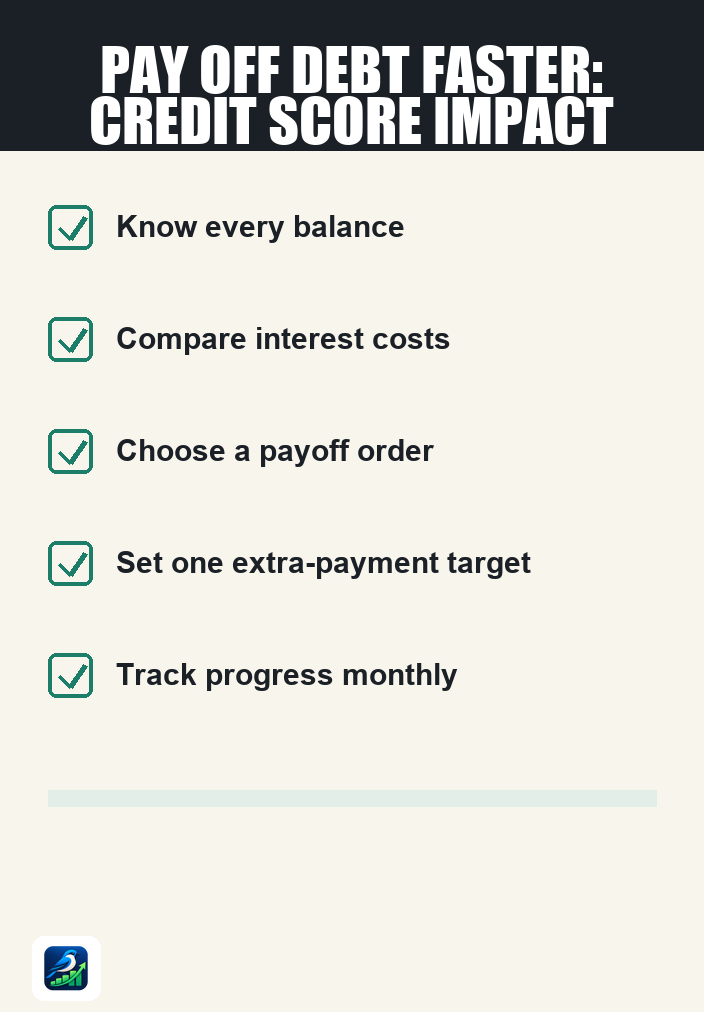
- Snowball vs. Avalanche Method: The snowball method focuses on paying off small debts first, while the avalanche method targets high-interest debts. Evaluate which method aligns with your financial goals and motivation.
- Credit Counseling: Seek assistance from a certified credit counseling agency. They can provide personalized advice based on your circumstances and help you navigate your options.
Next Steps to Manage Your Debt Wisely
Understanding how your credit score affects your debt payoff costs is essential in making informed financial decisions. Here are some practical next steps:
- Check your credit score regularly to understand where you stand.
- Consider your options carefully before choosing a debt repayment strategy, weighing the benefits and drawbacks of each.
- Set a realistic budget and stick to it to pay down your debts effectively.
- If needed, seek professional advice to explore all available options and find the best path forward.
By taking a proactive approach and understanding the implications of your credit score, you can better manage your debts and work toward a healthier financial future.



















