
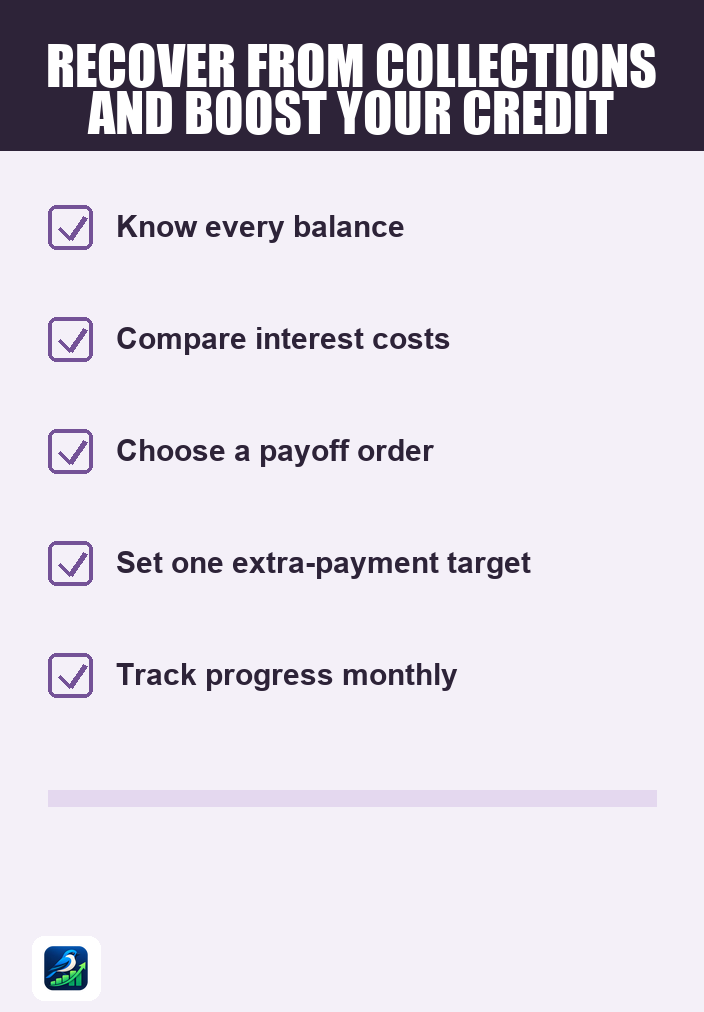
Understanding the Impact of Collections on Your Credit Report
When you fall behind on payments, creditors may send your account to collections. This process can significantly affect your credit report and overall financial health. It’s crucial to understand how collections work, their potential impact, and the options available for recovery.
What Happens When Your Debt Goes to Collections?
Once a debt is sent to collections, it typically means that the creditor has given up on collecting the debt directly and has handed it over to a third-party agency. The collections agency will attempt to recover the owed amount, often using various tactics to reach you.
This transition to collections can lead to serious repercussions for your credit report. A collection account can remain on your credit report for up to seven years from the date of your first missed payment. This can lower your credit score significantly, making it harder to secure loans, credit cards, or favorable interest rates in the future.
How Collections Affect Your Credit Score
Your credit score is influenced by a variety of factors, including your payment history, amount of debt, length of credit history, new credit, and types of credit in use. When a collection account appears on your report, it primarily impacts your payment history, which accounts for a significant portion of your score. Here’s how:
- Payment History: Late payments and collections signal to lenders that you may be a high-risk borrower.
- Credit Utilization: If your debt is high relative to your credit limits, this can further lower your score.
- Length of Credit History: A collection can shorten your credit history if you frequently default on payments.
In general, the lower your credit score, the more challenging it can be to obtain new credit. A lower score can lead to higher interest rates or even denial of credit applications.
Options for Recovery from Collections
While a collection account can feel overwhelming, there are several options available to help you recover. Understanding these alternatives can empower you to make informed decisions about your financial future.
1. Pay the Debt
One straightforward option is to pay off the debt. This can stop further collection efforts and help you regain control over your financial situation. However, it’s essential to communicate with the collection agency to understand whether paying the debt will remove it from your credit report or if it will still remain as a “paid collection.”
2. Negotiate a Settlement
Negotiating a settlement involves offering a lower amount than what you owe to satisfy the debt. This can be a viable option if you cannot afford to pay the full amount. Here are some steps to consider:
- Research your debt: Know how much you owe and the likelihood of the collector accepting a lower amount.
- Contact the collection agency: Initiate a conversation and express your intention to settle.
- Make an offer: Propose a specific amount, ideally lower than what you owe.
- Get it in writing: Ensure that any agreement is documented before making payment.
Keep in mind that while negotiating can help reduce your overall debt, it may still impact your credit report. Collection accounts usually remain, even if settled.
3. Consider a Payment Plan
If paying the entire debt at once is unmanageable, inquire about setting up a payment plan. This arrangement allows you to make smaller, manageable payments over time. Ensure that you fully understand the terms, including any interest or fees that may apply.
4. Validate the Debt
Under the Fair Debt Collection Practices Act, you have the right to request validation of the debt. This means asking the collection agency to provide proof that you owe the debt. If they cannot validate it, they are legally required to cease collection efforts.
To initiate this process, you should:
- Send a written request for validation to the collection agency within 30 days of their initial contact.
- Keep records of your correspondence.
5. Seek Professional Help
If you find yourself overwhelmed with debt and unsure of your next steps, consider seeking help from a credit counseling agency. These nonprofit organizations can help you understand your options, develop a budget, and potentially negotiate with creditors on your behalf.
Understanding Alternatives to Collections
While dealing with collections, it’s essential to be aware of broader strategies for managing debt. Here are a few alternatives that might help:
Debt Consolidation
This involves combining multiple debts into a single loan, often with a lower interest rate. While this may simplify payments, it can also lead to longer repayment terms and potentially more interest paid over time.
Debt Management Plans
Through a debt management plan, a credit counselor negotiates with creditors to reduce interest rates and create a structured repayment plan. While this can help manage payments, it might not significantly improve your credit score until debts are paid off.
Debt Settlement
Debt settlement involves negotiating with creditors to pay a lump sum that is less than the total amount owed. While this can reduce the total debt, it also typically has a negative impact on your credit score.
Bankruptcy
As a last resort, bankruptcy can provide relief from overwhelming debt but comes with long-lasting consequences for your credit report. It’s crucial to consult a legal professional before pursuing this option.
Next Steps for Recovery
Understanding how collections impact your credit report is the first step toward recovery. Here are practical next steps:
- Review your credit report to identify any collection accounts.
- Research your options for payment, negotiation, or validation.
- Consider reaching out to a credit counselor for personalized guidance.
- Stay proactive about your debts to prevent future collections.
By understanding the implications of collections and the available options, you can take informed steps toward improving your financial situation.



















