
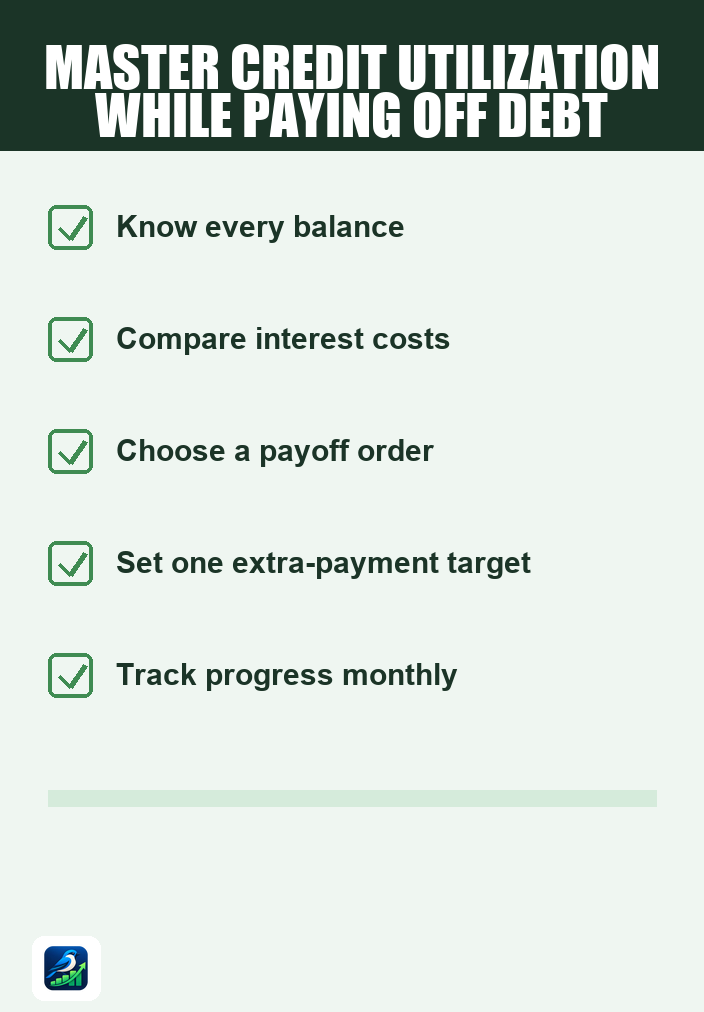
Understanding Credit Utilization and Its Impact on Debt Management
When it comes to managing debt, understanding credit utilization is crucial. Credit utilization refers to the percentage of your total available credit that you are currently using. It plays a significant role in your credit score, which can affect your ability to secure loans or favorable interest rates in the future.
For those in debt, navigating credit utilization while striving to pay off what you owe can feel overwhelming. However, with the right strategies, you can manage both your debt and your credit utilization effectively. This guide will walk you through the basics of credit utilization, how it impacts your financial health, and practical steps to maintain a healthy balance while paying off debt.
What Is Credit Utilization?
Credit utilization is calculated by dividing your total credit card balances by your total credit limits. For example, if you have two credit cards with a total limit of $10,000 and a balance of $3,000, your credit utilization ratio would be 30% ($3,000 ÷ $10,000). Financial experts generally recommend keeping your credit utilization below 30% to maintain a healthy credit score.
The Relationship Between Credit Utilization and Debt Repayment
When you’re actively working to pay off debt, it’s essential to stay aware of how your credit utilization can fluctuate. Here are some key points to consider:
- Paying Off Debt Reduces Balances: As you pay off debt, your credit utilization ratio improves, which can positively impact your credit score.
- Using Credit Wisely: While it’s important to pay off debt, using credit cards responsibly can help maintain or improve your credit score.
- Timing of Payments: Make sure to make payments before the billing cycle closes to ensure lower balances are reported to credit bureaus.
Strategies for Managing Credit Utilization While Paying Off Debt
Here are some actionable strategies to navigate credit utilization as you work to pay down your debt:
1. Monitor Your Credit Utilization Ratio
Regularly check your credit utilization ratio to understand how much credit you’re using. Many financial apps and services provide free credit score tracking, which can help you keep an eye on changes over time.
2. Pay Off High-Interest Debt First
Focus on paying down debt with the highest interest rates first. This can help you save money in the long run and improve your credit utilization as balances decrease.
3. Keep Credit Card Accounts Open
Even if you’re not using certain credit cards, it can be beneficial to keep them open. This increases your total available credit, which can help lower your credit utilization ratio. Just make sure not to accumulate new debt on these accounts.
4. Consider a Balance Transfer
If you have high-interest credit card debt, a balance transfer to a card with a lower interest rate can be a practical solution. This can help you pay down your debts more effectively while managing your utilization. However, be cautious of any fees associated with balance transfers.
5. Make Multiple Payments Each Month
Instead of making a single monthly payment, consider making multiple smaller payments throughout the month. This can help keep your credit utilization low at the time of reporting to credit bureaus.
Understanding Debt Management Options
As you manage your credit utilization, you may also be considering various debt management strategies. Here’s a brief overview of your options:
- Debt Consolidation: Combining multiple debts into one loan can simplify payments and potentially lower interest rates. However, be mindful of fees and the terms of the new loan.
- Debt Management Plans: Working with a credit counseling agency can help you create a structured plan to repay your debts over time. This may involve negotiating with creditors but may come with fees.
- Debt Settlement: This involves negotiating with creditors to pay a lump sum less than the total owed. While this can reduce your debt, it can also severely impact your credit score and may have tax implications.
- Bankruptcy: This is a legal process to eliminate or repay debts. It can provide relief but comes with long-term credit consequences, and the rules vary significantly.
Practical Next Steps
1. Assess your current credit utilization and debt levels.
2. Choose a strategy that aligns with your financial goals and situation.
3. Stay informed about your credit standing and make adjustments as necessary.
4. Consider seeking professional advice if your situation feels overwhelming.
By understanding credit utilization and employing effective debt management strategies, you can navigate your financial landscape more confidently. Remember, the key is to find a balance that allows you to pay off debt while maintaining a healthy credit profile.



















