Understanding the Importance of Debt Reduction Over Utilization Rates
When managing personal finances, many people believe that optimizing credit utilization rates is the key to improving their credit score. While credit utilization certainly plays a role, prioritizing the reduction of debt itself can have a more significant impact on your financial health. This article breaks down why paying off debt should take precedence over simply altering utilization rates and provides practical steps to help you navigate your financial landscape.
What Is Credit Utilization and Why Does It Matter?
Credit utilization refers to the ratio of your current credit card balances to your total available credit limits. It’s a key component of your credit score, typically accounting for about 30% of the score calculation. A lower utilization ratio is generally viewed positively by lenders, as it suggests that you are not overly reliant on credit. However, focusing solely on this aspect can lead to overlooking the essential task of paying off your debt.
The Impact of Debt on Your Financial Situation
Debt can create a cycle of financial stress that affects your overall well-being. High levels of debt can lead to missed payments, which can further damage your credit score. Additionally, carrying large balances can result in high interest payments, making it harder to pay down the principal amount. Addressing debt directly can provide a more stable foundation for your financial future.
Why Paying Off Debt Should Come First
- Reduces Financial Stress: The burden of debt often leads to anxiety and stress. By focusing on paying off debt, you can alleviate this pressure.
- Improves Cash Flow: Once debts are paid off, you can redirect those funds towards savings or other investments, enhancing your overall financial health.
- Prevents Damage to Your Credit Score: High debt levels may lead to missed payments or defaults, which can severely impact your credit score.
Strategies for Paying Off Debt Effectively
To prioritize debt reduction, consider the following strategies:
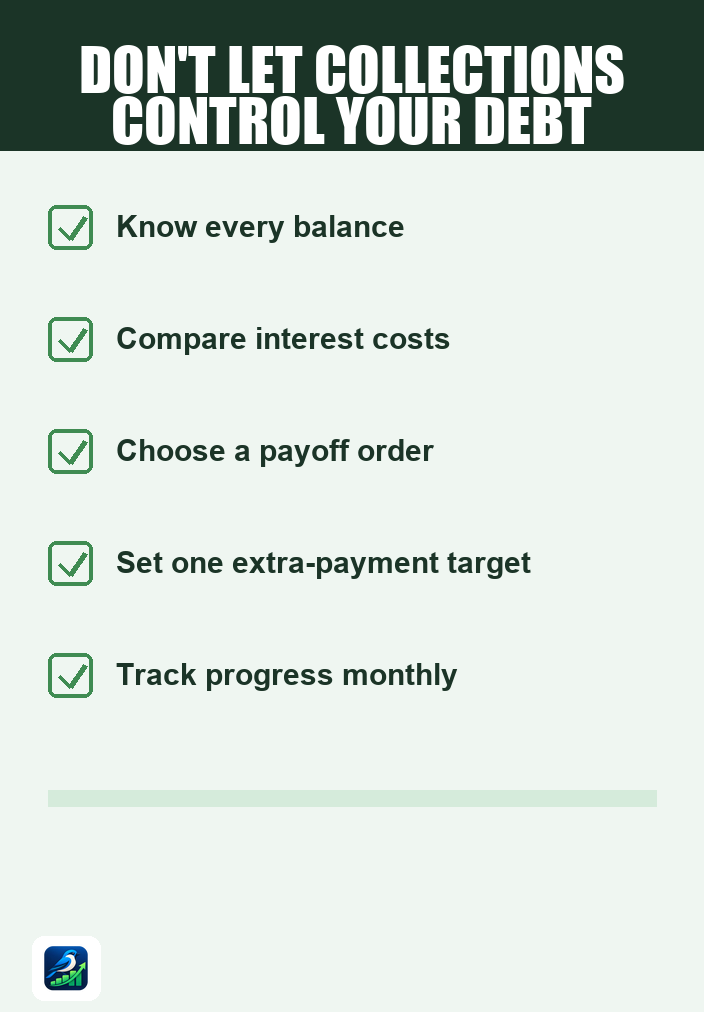
1. Create a Comprehensive Budget
A clear budget helps you understand your income, expenses, and how much you can allocate towards debt repayment. Identify essential expenses and see where you can cut back. Even small savings can contribute to your debt payments over time.
2. List Your Debts
Document all your debts, including balances, interest rates, and minimum payments. This will give you a clear picture of what you owe and help you prioritize your repayment strategy. You can organize your debts using a simple table or spreadsheet.
3. Choose a Repayment Strategy
There are several common methods for paying off debt:
- The Snowball Method: Focus on paying off the smallest debt first while making minimum payments on larger debts. Once the smallest is paid off, move to the next smallest. This method can provide motivational boosts.
- The Avalanche Method: Prioritize debts with the highest interest rates first. This strategy saves you money in interest payments in the long run.
Understanding Debt Management Options
If you’re feeling overwhelmed, various options exist to help manage your debt. However, it’s essential to understand the differences between these methods:
- Debt Consolidation: This involves combining multiple debts into a single loan, often with a lower interest rate. It simplifies payments but doesn’t reduce the amount owed.
- Debt Management Plans: Offered by credit counseling agencies, these plans help create a structured repayment plan, often negotiating lower interest rates with creditors.
- Debt Settlement: This involves negotiating with creditors to pay a lump sum that is less than the total owed. It can negatively impact your credit score and isn’t suitable for everyone.
- Bankruptcy: A legal process that can discharge debts but has a significant long-term impact on your credit and financial future. It should be considered a last resort.
Shifting Focus to Credit Utilization After Debt Reduction
Once you’ve made progress in reducing debt, you can then shift your focus to optimizing your credit utilization rate. Keep these tips in mind:
- Keep Balances Low: Aim to keep your credit utilization ratio below 30% for a better credit score.
- Increase Credit Limits: If you’re responsible with your credit, request higher limits, which can improve your utilization ratio.
- Pay More Frequently: Making payments more than once a month can lower your reported balance, positively impacting utilization.
Final Thoughts on Prioritizing Debt Reduction
Focusing on paying off debt before adjusting utilization rates sets a solid foundation for your financial health. While credit scores matter, they shouldn’t overshadow the importance of living debt-free. By prioritizing debt repayment, you can improve your financial stability and reduce stress, paving the way for better financial decisions in the future.
Next Steps
Start by creating a budget and listing your debts today. Choose a repayment strategy that suits your financial situation and take actionable steps towards reducing your debt. Remember, while improving your credit score is essential, a debt-free life can provide you with the freedom to achieve your financial goals.